Have you had your dandelions today?
For many people when they think of dandelions, their first thought is the weeds on their lawn. They view the common dandelion as a weed, and wage a small war to eradicate the plant from their lawns and gardens, but I want to encourage you to eat them!
Not everyone knows that dandelions are very healthy, and can be used in many recipes, including (of course) green smoothies.
Since they grow wild pretty much everywhere, you have a completely free food source right in your backyard or in the wild. Just don’t use the ones with the pesticides and herbicides on them! For those without access to organic lawns, dandelion greens are also available in farmers markets.
Health Benefits of Dandelion Greens
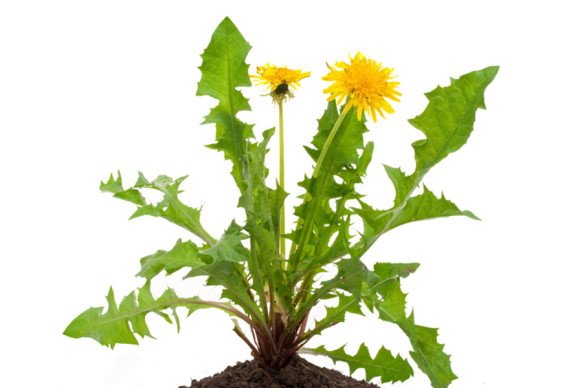
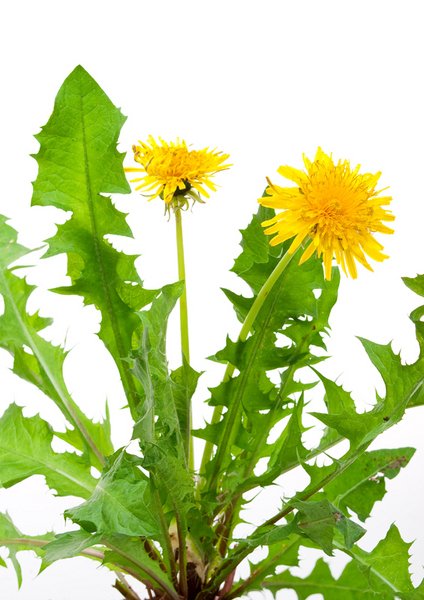 As all greens, dandelions are low in calories, but super-high in healthy nutrients, which makes them the ideal addition to green smoothies. In fact, this innocuous “weed” is one of the most nutrient-dense plants you can eat. Everything, from the flower all the way down to the roots, is edible.
Dandelions are great for detoxing the liver and gallbladder and to help support kidney function. They may help stabilize blood sugar (great for diabetics) and lower bad (LDL) cholesterol. They are also are an excellent source of vitamins A, C, E, K, calcium and iron, packed full of antioxidants, and contain copper, manganese, potassium, and magnesium. Just one half cup of dandelions contains more calcium than a glass of milk, and more iron than spinach. Studies have found that the regular consumption of dandelion greens can lead to a reduction in your risk of cancer and stroke.
The taste of dandelion resembles a slightly bitter green like arugula. Look for firm, fresh, tender, bright green leaves that aren’t discolored or wilted. When refrigerated in a plastic bag, they will keep for a few days. Like spinach, dandelion greens are commonly enjoyed raw, but they also taste fantastic sautéed, braised, or even stewed.
You can toss them into your favorite salad medley, eat them fresh in salads, or cook them on the stove. Wash, trim, tear, and toss in your favorite salad medley. Sauté with garlic and onions. Substitute spinach for dandelion greens in recipes, such as pesto sauce.
Dandelion Green Smoothie Recipes
Dandelion greens have slightly bitter taste which might be difficult to mask with fruit in a green smoothie, so start with adding small amounts and/or mixing them with other greens, such as spinach or kale. In general, the younger the greens, the milder the taste, so you may want to choose the younger leaves.
You can help mask the bitter taste by using strong tasting fruit and berries, such as pineapple, oranges, bananas, strawberries or other ripe berries. The other way is to process them with some sort of fat, i.e. nuts, oils, and avocados.
Personally, I enjoy slight bitterness in my smoothies, especially since I know that it’s so good for me! The bitterness actually stimulates bile production, aids digestion, and cleans pretty much every inner organ inside the body. I find that my taste buds get used to the flavor quickly and after the first couple sips and I soon don’t mind the flavor at all. But I guess it’s an acquired taste.
Dandelion Green Smoothie Recipe #1
1-2 cups dandelion greens
1-2 pears
2 dates
1-2 cups water or coconut water
Blend on the highest speed until smooth and creamy. Yield: 3-4 cups
Dandelion Green Smoothie Recipe #2
2 cups dandelion greens
1 lemon (peeled)
2 large apples
1 banana
1-2 cups water
Dandelion Green Smoothie Recipe #3
½ bunch dandelion greens
2 stalks celery
2 peaches
½ pineapple
½ inch fresh ginger root
2 cups water
Blend in blender until smooth! Enjoy!
Dandelion Green Smoothie Recipe #5
If you are worried about the fruit content, here are some savory options.
1/2 bunch dandelion greens
4 tomatoes
2 dates (optional)
2 cups water
Dandelion Green Smoothie Recipe #6
1/2 bunch dandelion greens
1 medium cucumber
½ avocado
2 dates (optional)
2 cups water
Blend in blender until smooth! Enjoy!
For all my blending recipes I use Vitamix. If you don’t already own a VitaMix, I strongly encourage you to check out what this machine is capable of! For more information about VitaMix you can go directly to the VitaMix website. You may also want to read my post about the Best Blender.
I LOVE my VitaMix and highly recommend investing in one if you are ready to make serious changes to your diet. I have had mine for almost 5 years and use it daily!
If you decide to purchase Vitamix – be sure to use Promotional Code 06-004554 to get free shipping.
Questions? Comments? Suggestions?
If you have a favorite recipe, why not submit it here in the comment section of this smoothie recipes blog for others to enjoy too!
I also welcome any comments, questions and suggestions. Thanks!
Grain based products are everywhere today: pastas, doughnuts, breads, cookies, crackers, cereals, cakes, pastries -there is no escaping or hiding from them.
Most of us grew up learning that grains were one of the four major food groups essential to a balanced diet, at least as important (if not more) than fruits and vegetables. We have been encouraged to eat six to eleven (!) servings of grains per day.
Why Are Grains So Ubiquitous?
In case you are wondering, one of the reasons behind this heavy promotion is that grain-based foods are cheap to make and offer great profits to the manufacturers. The markups on grains are huge, for example, bread is made from about 5 cents of wheat, but we usually pay at least one dollar per loaf.
Grain based products also have long shelf lives, so they don’t spoil easily; plus they are so nutritionally sterile that even insects wouldn’t bother infesting them! If you don’t think that food producers have any say on what the US government recommends in the official dietary guidelines, think again. It’s common knowledge that big food manufacturers are influencing what’s on our plate – big time. They also have the money for lobbying to receive subsidies for the production of even more grains, as well as heavy advertising that includes appealing to both children and adults with cute cereal names and toys in boxes of cereals.
For many children cereal is now their main source of vitamins! For adults, highly processed cereals are promoted as “cholesterol lowering” foods, and whole grains are promoted as a way to prevent digestive diseases and cancer.

The Dark Side of Grains
Problems with gluten tolerance occur much more often than most people realize, however it’s often unrecognized or misdiagnosed, as it can manifest itself by a host of seemingly unrelated symptoms. Gluten intolerance is often associated with IBS, depression, difficulties with your weight, aches and pains in bones and joints, and chronic fatigue. If you suffer from some or all of these problems and you consume foods that contain gluten, perhaps you are gluten intolerant.
As if that was not enough, we get hooked on grains on much deeper level. Grains have drug-like substances that create true food addictions and irresistible cravings in some, if not many people.
Grain allergies and addictions (especially to wheat) are very common and they are unrecognized contributors to the growing epidemic of obesity. Like true addicts, many people are strongly attracted to foods they are allergic to get a “high” from drug-like compounds in them. When the feeling wears off, they crave another “fix”, so they have to eat more of these foods. Unrecognized grain allergies and addictions lead to too-strong-to-resist cravings and overeating, which ultimately lead to weight gain.
Although the U.S. government promotes a high intake of grains, following this strategy actually sets up a lot of people for health problems.
To stay healthy and maintain ideal weight effortlessly, all of us should eat far fewer grain products.
Some of us should eat no grains (not even whole grains) at all.
If these statements come as a shock to you, challenging your beliefs about healthy nutrition, you are not alone.
The truth is grains have a dark side that few people seem to know about. Eating lots of them can potentially lead to virtually every problem in the medical book, including obesity, diabetes, heart disease, some types of cancer, chronic fatigue, digestive disorders, infertility, osteoporosis, and other.
We live in a society where wheat is eaten daily at almost every meal. Pasta, bread, and cereals are promoted as healthy food. They are centerpieces of many people’s diet.
However by loading up on these foods, you may be setting up for degenerative diseases, such as heart disease and diabetes, not to mention weight gain.
Even the whole grains, which are often recommended by nutritionists in place of refined grains, although they do contain more nutrients than their refined counterparts, they also have many anti-nutrients that interfere with good health. By interfering with absorption of many important nutrients they lead to nutrient deficiencies and may set the stage for osteoporosis and autoimmune disorders, not to mention anemia.
Gluten Free Diet: What we should be eating for health & perfect weight
For people suffering from wheat intolerance, the gluten-free diet is no picnic. The focus of a gluten-free cooking is often on replacing gluten flour in baked goods recipes with acceptable starches made from rice, arrowroot, potato, other legumes like chickpeas and wheat starch (all the protein has been carefully removed).
And it isn’t just difficult and inconvenient; but also expensive. For most people it means studying the labels for gluten that often shows up unexpectedly on the list of ingredients.
Fortunately, there is a better way.
The easiest – and best – way to get rid of gluten from your diet is to eat only unprocessed foods. All unprocessed food (obviously, with the exception for the grains which contain gluten) is gluten-free.
In many respects it is easier and nutritionally wiser to forgo the baked goods altogether and eat other foods. The task of changing your diet is very much like moving to another country and culture. You may try to bring all your old habits with you, and struggle to get all of the ingredients that you are used to to create the meals you are used to, or you can gracefully, and with a sense of adventure try the new cuisine.
Certainly, baked foods are delicious and tempting, but so are creatively prepared rice, vegetable, fruit, fish, legume, and meat dishes. Even with multiple exclusions, an appealing, varied diet is within reach if you are willing to change your eating style. The main thing is to be inspired to create and enjoy a new cuisine that will diminish your disturbances, sustain your interest in food, and provide balanced nutrition.
Here is the summary of recommendations for a healthy diet:
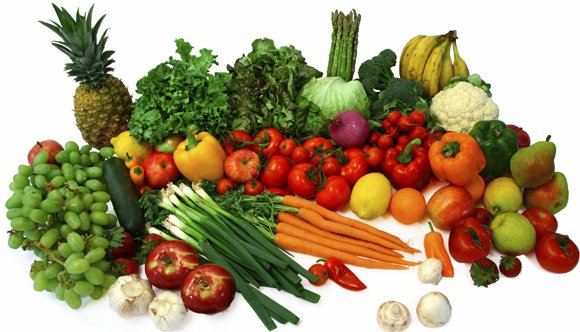
•At least 60-80 % of the calories consumed should come from fresh, raw fruits, vegetables, and leafy greens (essential!), as well as nuts and seeds. The important thing the bulk of your fruits, veggies, and greens should be eaten RAW. Raw foods have a wonderful effect on the body – giving you more energy and supplying essential nutrients in the completely unchanged, unprocessed form – just as nature intended them for us!
Since you already know how to make green smoothies, this is an easy part! In the morning, prepare a quart or more of green smoothie and drink it during the course of your day. Eating salads and green juices made with a juice extractor is also a great idea.
•The rest of what you eat during the day should be steamed or slightly cooked vegetables, legumes, and some gluten-free whole grains. Soup, stews, salads and various side dish recipes can be found that are completely gluten free. The following grains and grain-substitutes can be used: rice, quinoa, buckwheat (more closely related to spinach than wheat), corn, amaranth, soy, millet (a good substitute for couscous), potato and tapioca as well as flour made from them.
•Although unprocessed meat, fish, eggs, cheese, milk,are all gluten free, for optimum health it’s recommended to limit consumption of animal products to once or twice per week, or eliminate completely.
•Eliminate all processed foods from your diet – this will save you time studying the labels in the supermarket. If you decide to occasionally have them – read the label carefully. Many foods that may on the first glance seem like gluten free, may still have some quantities of wheat added.
Tolerable foods to eat:
Corn
Rice
Wild rice
Oats
Buckwheat
Millet
Arrowroot
Amaranth
Quinoa
Wheat grass
Tapioca
Taro
Barley grass
Vinegars: apple cider, balsamic, rice
Bean flours
Not OK/Intolerable foods and drinks
Wheat
Rye
Kamut
Teff
Spelt
Soy
I love mangoes and I buy whole boxes of them when they are in season. I usually just have them on their own – they are just so delicious!
But, why not experiment a little on a hot day and make a bowl of delicious mango salsa, mango smoothie, or soup.
Mangoes are refreshingly cool, sweet and tart at the same time that makes them perfect for hot weather dishes.
Here are some recipes for you to start with. Use them for inspiration and be bold!
Mango Salsa Recipe
1 ripe mango, diced
1/2 medium red onion, finely chopped
1 small cucumber, peeled and diced
3 tablespoons fresh lime juice
3 tablespoons fresh cilantro or parsley leaves, chopped
1 jalapeño chile, minced
Sea salt and pepper to taste
Mix all of the ingredients in a bowl. Other ingredients that will go well with this recipe are diced red bell pepper and avocado.
Fresh mango salsa is easy to make and a perfect side dish. Why not expand on this recipe a bit and transform it into a stand-alone dish – a delicious mango gazpacho soup. Here are two versions for you to try.
Both are fantastic!
Sweet-n-Spicy, Asian Fusion Mango Gazpacho
In this recipe fruit is mixed with fresh mint, tart lime, spicy ginger and cayenne. Makes 4 servings.
2 cups cubed fresh mangoes
1 cup fresh orange juice
1 cup pineapple, diced into 1/2 inch pieces
1 cup of your favorite melon, diced into 1/2 inch pieces
1/2 cup mango, diced into 1/2 inch pieces
2 tablespoons chopped mint leaves
1 tablespoon lime juice
1 tablespoon minced fresh ginger
1/8 tablespoon cayenne or to taste
Process the cubed mango and orange in a blender until pureed. Transfer to a medium bowl, along with remaining ingredients. Refrigerate until ready to serve. Will keep for e days in the fridge.
Spicy Mango Gazpacho
3 cups cubed mango
2 cups chopped tomatoes
1 small diced red or sweet onion
1/2 red bell pepper, finely chopped
1 seedless cucumber, cut into 1/4-inch dice
3 tbsp chopped fresh cilantro and/or Italian parsley
1 garlic clove, pressed or minced
2 tablespoons freshly squeezed lime or lemon juice
1/2 teaspoon chile powder
1/4 teaspoon cayenne
sea salt and freshly ground black pepper to taste
minced jalapeño to taste (optional)
Combine all ingredients in a large bowl and mix well. Transfer 2 cups of the mixture to a blender and blend on high speed for 20 seconds and return to the bowl. Mix, and if desired, chill for 30 minutes, otherwise serve immediately.
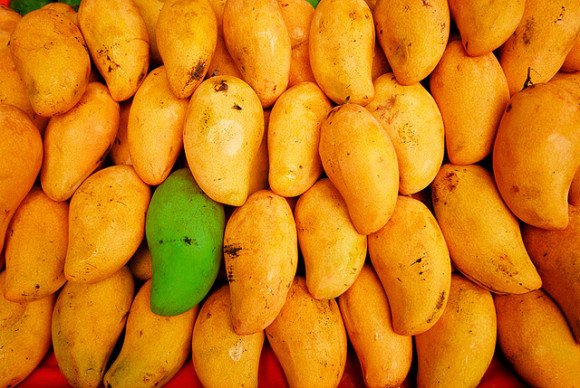
Mango http://www.flickr.com/photos/sarol/2402728217/sizes/z/in/photostream/
For all my blending recipes I use Vitamix. If you don’t already own a VitaMix, I strongly encourage you to check out what this machine is capable of! For more information about VitaMix you can go directly to the VitaMix website. You may also want to read my post about the Best Blender.
I LOVE my VitaMix and highly recommend investing in one if you are ready to make serious changes to your diet. I have had mine for almost 5 years and use it daily!
If you decide to purchase Vitamix – be sure to use Promotional Code 06-004554 to get free shipping.
Questions? Comments? Suggestions?
If you have a favorite recipe, why not submit it here in the comment section of this smoothie recipes blog for others to enjoy too!
I also welcome any comments, questions and suggestions. Thanks!
I just recently attended the Food Revolution Summit. It was a great event, with great speakers and informative presentations, including Jeffrey Smith who is the leading spokesperson on the dangers of Genetically Modified Organisms (GMOs).
Right now the GMO battle is heating up, big time.
It’s time to educate yourself and start taking action.
Now you can listen to Jeffrey Smith’s Presentation at the Food Revolution Summit on the truth about Genetically Modified Organisms (GMOs). He explains the health and environmental dangers of GMOs, and the politics behind it.
Take Genetically Engineered Foods Out Of Your Diet!
Here you can listen to three Food Revolution Summit interviews on the truth about Genetically Modified Organisms (GMOs).
A majority of Americans say they would choose not to purchase a genetically modified product if given the choice, and yet more than 70% of the foods in US supermarkets and restaurants contain genetically modified ingredients.
FDA scientists warned that GM foods could create unpredictable, hard-to-detect side effects, including allergies, toxins, new diseases, and nutritional problems. Yet despite their recommendations, there have never been any long-term studies conducted on humans.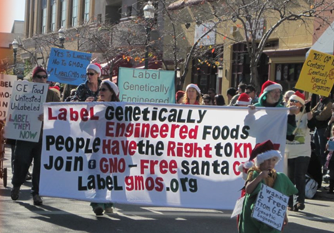
Meanwhile, Monsanto-patented GM seeds are now planted on more than 90% of the US corn, soy, canola and sugar beet cropland. The company is making billions.
Approximately 90% of the American public supports mandatory labeling of genetically modified foods. And yet last week, when two states, Vermont and Connecticut, attempted to pass legislation to require extremely popular GMO labeling, it was legal threats from Monsanto that ultimately killed the legislation.
Knowing full-well that a GM label would have a profound impact on consumer choice and therefore on Monsanto’s profits, the company is threatening to hold states liable for any resultant loss in business.
Some of us, however, think that we should have a right to know what’s in our food. We want the opportunity to make informed choices about whether or not we consume GMOs.
A ballot initiative to require labeling in California, which is the world’s 8th largest economy, would effect packaging and ingredient decisions nationwide and even internationally.
The biotech industry is expected to spend $60 to $100 million trying to defeat the California initiative. They’ll say that it would raise prices, be bad for farmers, and subvert efforts to end world hunger. None of which is true.
But with 80% of Californians currently supporting the labeling initiative, Monsanto and its allies may have a tough time convincing a majority of the state’s voters that they should stay in the dark about what they’re eating.
California’s voters will go to the polls in November for what might be a watershed moment in the struggle. To stay informed, or to contribute time, talent, or treasure to the cause, visit labelgmos.org.
Two of the organizations at the forefront the GMO struggle worldwide are led by Summit speakers Ronnie Cummins (Organic Consumers Association) and Jeffrey Smith (Institute for Responsible Technology).
“The arc of the moral universe is long”, Dr. Martin Luther King, Jr., told us, “but I believe it bends towards justice.”
It doesn’t bend all by itself.
“Canary in a coal mine” is allusion to caged canaries mining workers would carry down into the tunnels with them. If toxic gases such as methane or carbon monoxide were present into the mine-shaft, the gases would kill the canary before affecting the miners. Signs of distress from the bird indicated to the miners that conditions were unsafe.
Hence, the phrase “canary in a coal mine” is frequently used to refer to a person or thing which serves as an early warning of a coming crisis.
Our environment contains a growing list of chemicals, many of which are known causes of human illnesses.
From the water we drink, to the air we breathe, to the food we eat, we are being exposed to hundreds to synthetic chemical compounds that are brand new to our planet that did not even exist 20 years ago.
Are our children like “canaries in a coal mine” in the increasingly toxic world we live in?
One thing that we can all do is to get educated and start taking action. 
Just like canaries, our children are significantly more vulnerable than adults, as these chemicals affect their developing bodies in more ways that are still difficult to fathom.
So, our children are growing up as a part of a giant experiment with potentially devastating consequences.
How will these chemicals affect their development, their health, their ability to achieve their full potential? Will our children end up paying the price for our negligence for the rest of their lives?
And is there anything that we do about it?
Step 1: Ignorance Is NOT Bliss
Step one is to get educated about the problem.
Ignorance is NOT bliss when it comes to our health. Not knowing about a disturbing issue will NOT cause it to go away!
Did you know that of 60,000+ chemicals that were grandfathered by TSCA law only about 200 were ever tested for safety directly by the EPA?
The Toxic Substances Control Act (ToSCA) of 1976 mandated the EPA to protect the public from “unreasonable risk of injury to health or the environment” by regulating the manufacture and sale of chemicals. One might think that Environmental Protection Agency exists to protect the public from dangerous and potentially carcinogenic substances, but thousands of chemicals were never tested by the EPA because they were not considered an “unreasonable risk.”
So, contrary to what the name implies, TSCA does not separate chemicals into categories of toxic and non-toxic. Rather it prohibits the manufacture or importation of new chemicals that are not on the TSCA 60,000+ Inventory grandfathered when the law was passed!
As a parent I find it deeply disturbing, not to say scary.
Listen to the interview with a world-renowned pediatrician and environmental health expert Dr. Leo Trasande, who will explain how chemical exposures put our kids at risk, how much environmentally-mediated illness costs our nation, and what steps we can take to protect our children from harm.
Listen to the Green Street Radio or download the mp3 file here here.
Of course, there is huge money at stake for the manufacturers. The titans of the cosmetics industry are hard at work fighting common sense laws that would keep toxic chemicals out of everything from bubble bath, mattresses, clothing to lipstick.
But the costs to the society and the environment that we are all paying can no longer be ignored.
Step 2: Start Taking Action
Starting with the smallest action – “voting with your purse” and not buying the products that contain toxic ingredients. Many of the toxic cleaning products can be easily substituted with safer alternatives, for example, baking soda, vinegar, lemon juice are great for household cleaning needs.
But ultimately we can’t shop our way out of this problem.
Help spread the message – tell others about what you learned.
Write to the companies that are using toxic products to let them know your concerns.
Write to your elected officials demanding their support for the bills that promote positive change.
Join or support an organization working to increase public awareness and change the laws.
Our children are completely dependent on us to take action and make the right decisions for them!
More Resources:
Tell Congress to Stop Industry’s Trojan Horse Bill “The Cosmetic Safety Amendments Act of 2012” was recently introduced by Representative Leonard Lance (R-NJ). According to the Campaign for Safe Cosmetics organization “This is a classic Trojan horse – it may sound like a step forward on the surface but the “fine print” inside the bill would allow industry to continue placing profits over public health. This bill would put into law the current system that allows the industry to “self-regulate” the safety of cosmetics which has resulted in carcinogens in baby shampoo, lead in lipstick, formaldehyde in hair products, hormone disruptors in fragrance and mercury in face creams. It would also handcuff states from taking action to pass locally tailored policies to protect the health of their own state residents. ”
The Campaign for Safe Cosmetics – The Campaign for Safe Cosmetics is a coalition effort launched in 2004 to protect the health of consumers and workers by securing the corporate, regulatory and legislative reforms necessary to eliminate dangerous chemicals from cosmetics and personal care products.
EWG’s Skin Deep database: EWG’s Skin Deep database gives you practical solutions to protect yourself and your family from everyday exposures to chemicals.

Toxic Chemicals in the Enviroment : How do they affect our kids and what can we do about it?
Questions? Comments? Suggestions?
If you have a favorite recipe, why not submit it here in the comment section of this smoothie recipes blog for others to enjoy too!
I also welcome any comments, questions and suggestions. Thanks!
