Why I Stopped Making Kefir
Sorry, but this post has been removed. Since I became vegan, I no longer recommend dairy-based probiotics, such as kefir.
Where Do You Get Your Calcium? The Good, the Bad and the Ugly of Dairy Products

Sorry, but this post has been removed. Since I became vegan, I no longer recommend dairy-based probiotics, such as kefir.
Where Do You Get Your Calcium? The Good, the Bad and the Ugly of Dairy Products
If you are a fan of Orange Julius and are searching online for the perfect recipe to create Orange Julius smoothies, here is one for you to try. To be honest, I’m not the biggest fan – I much prefer green smoothies because they are so much healthier. As you will see this recipe contains lots of sugar (up to 1/2 cup!)
This is the most popular Orange Julius Recipe that I have found online:
Ingredients:
1 can (6 oz) frozen orange juice concentrate, thawed
1 cup milk
1 cup water
1/2 cup sugar
1 tsp. vanilla extract
8 to 10 ice cubes
1. Combine all ingredients except ice cubes in blender.
2. Blend for about 1-2 minutes, adding ice cubes one at a time.
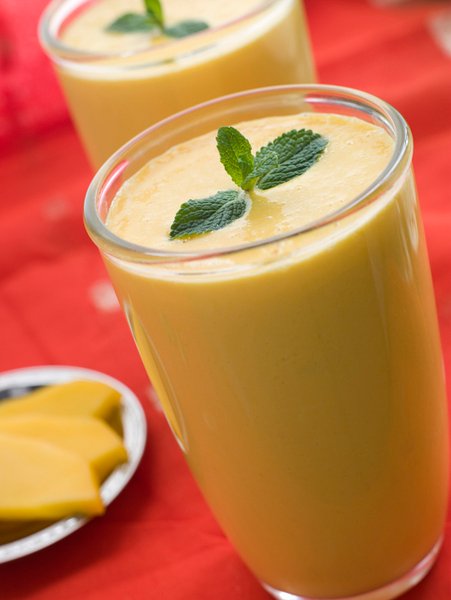
Orange Julius Recipe can contain up to one half cup sugar!
The Orange Julius drink surely is creamy and sweet.
But check out that sugar content!
I’ve seen some people recommending 1/4 cup sugar, or to use powdered sugar to make it even more like the mall version. Or add a scoop or two of vanilla ice cream instead. But in my opinion, sugar is unnecessary. Orange juice has enough sweetness on its own. Or substitute sugar with honey.
Another problem is that you need to drink the smoothie right away. If you leave it for even 10 minutes, the smoothie will likely separate into 2 parts. The top half will be the milk (curdled because of the citric acid in the orange concentrate), and the lower part was the orange “juice”, the watery part. The acid in orange juice will often make the milk curdle! If you need to leave it for later, freeze it. Pop the blended mixture into the freezer for about 4-5 hours and you have a slushy treat.
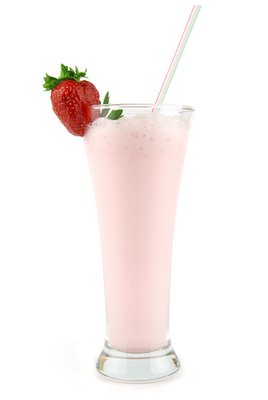
Orange Julius Recipe: can be prepared in orange, red or green variations
1/2 cup orange juice (fresh squeezed is better). You may also freeze it.
1 cup frozen mango, pinapple or banana
1/2 cup milk*
1 tsp. vanilla
1 tbsp. almond or peanut butter (optional)
1 or 2 tbsp. honey (optional – up to your taste)
For red colored version
1/2 cup orange juice
1 cup frozen strawberries
1/2 cup milk*
1 tsp. vanilla
1 tbsp. almond or peanut butter (optional)
1 or 2 tbsp. honey (optional – up to your taste)
For green colored version
1/2 cup orange juice
1 banana
1/2 cup milk*
1 cup spinach or kale
1 tsp. vanilla
1 tbsp. almond or peanut butter (optional)
1 or 2 tbsp. honey (optional – up to your taste)
*You can use any type of milk you prefer, including almond milk.
You can also create a fun two-layered drink:
1. For the first yellow layer – Place all the ingredients in a blender, blend until the drink reaches a smooth consistency, pour in a tall glass, and then set aside.
2. For the second red or green layer – rinse the blender, place all the ingredients for the second layer in it and blend at high speed until smooth. Then pour gently into the glass trying to have a line separating the layers. You can use a spoon to make it easier – I placed it into the glass over the yellow layer and I poured the drink over it.
I love green smoothies for a reason. They are delicious, but they are also tremendously rich in nutrients that our bodies need to be healthy.
I want you to encourage you to try green smoothies, and to add greens, such as spinach to your smoothie recipes, whether it’s Orange Julius or other fruit smoothies that you like.
Just for illustration, here is a nutritional comparison between bananas (a vitamin rich fruit), and kale and spinach. Below is a brief comparison of equal calorie amounts of each food. The USRDA numbers are for an active adult male and represent the percentage of USRDA nutrient requirements met.
This is just for comparison sake with easier numbers to understand because they deal with percentages. Your nutrient needs may be quite different.
50 Calorie serving size of bananas, kale and spinach:
* Vitamin A *
Bananas have 1%, kale 308% and spinach 408% of the USRDA for a 50 calorie serving.
* Vitamin C *
Bananas 8%, kale 200% and spinach 102%.
* Vitamin E *
Bananas 0%, kale (not listed in USRDA for some reason though it’s quite high in vitamin E) and spinach 22%
* Vitamin B6 *
Bananas 16%, kale 14% and spinach 21%
* Thiamin *
Bananas 2%, kale 7% and spinach 11%
* Niacin *
Bananas 1%, kale 5% and spinach 8%
* Riboflavin *
Bananas 3%, kale 8% and spinach 24%
As you can see there was NO vitamin of which banana was higher than both greens. Banana was only slightly higher than kale for Vitamin B6 but still lost to spinach for that vitamin.
And as you can see for Vitamin A… kale and spinach “destroyed” bananas, with spinach having over 400 times more Vitamin A than bananas.
Even in Vitamin C the greens crushed the bananas.
And I think now you’re starting to see why I love green smoothies so much, especially spinach smoothies and kale smoothies. I mean, when was the last time you had a cup of raw spinach or kale?
Here is a cool site where you can check nutritional data of Spinach, kale, bananas, and other foods that you drink you your smoothies.
If you have a favorite recipe, why not submit it here in the comment section of this smoothie recipes blog for others to enjoy too!
I also welcome any comments, questions and suggestions. Thanks!
Have you seen the documentary “Fat, Sick and Nearly Dead”?
If you haven’t, you may have heard about it, as it’s been quite popular since its release last year. It’s available on Amazon and Netflix.
The movie chronicles Joe Cross’ journey to lose weight and regain health by living on green juices for 60 days, and inspiring others facing similar health problems to do the same.
Even though the proposition of a raw vegetable juice detox exclusively for sixty days may not be your “cup of tea” (or your “glass of juice”), I always find it inspirational to watch true stories demonstrating people who overcome disease by removing all the junk food from their diets and use the healing power of raw plant foods.
Ok, so maybe the message of this good-natured documentary is not exactly super-original; there are also many who accuse Joe of being a smart businessman selling juicers (some even call the movie a Breville juicer infomercial) – but it just seems to me that we need more people like Joe screaming at us to take charge of our own health and well-being.
The film clearly demonstrates how powerful and effective proper nutrition is to one’s health. Whether it’s a 60 day green juice fast – as shown in the documentary – or following 80-100% green smoothie diet, or even just eating raw plant foods for extended period of time – it can provide an amazing transformation for anyone.
It’s a great testimonial for how effective taking the charge of your own health can be.
Even though the proposition of living on raw juice exclusively for sixty days may not be your “cup of tea” (or should I say “glass of juice”), I always find it inspirational to watch the healing power of natural foods and benefits of removing all the junk foods from our menus.
After seeing the positive results from Joe and a couple of individuals who also tried a similar fast, you may get inspired and motivated to reboot your own life with juicing.

Joe is seriously overweight, his body laden with and suffering from a debilitating auto-immune disease to boot. When he turns to doctors and conventional medicine – they fail to provide a a real solution, so Joe turns to the only option left… the body’s ability to heal itself….
So he quits eating the junk food, and makes a 180 degree turn in his nutrition determined to only to drink fresh fruit and vegetable juice for the next 60 days….
As you may expect, his transformation is truly amazing …

Fat Sick and Nearly Dead
4 stalks of celery
1 cucumber — (peel off skin)
1 ginger root — (thumb size – peel off skin)
1/2 lemon — (skin cut off)
2 green apples
6 kale leaves
By the way, if you’re thinking about buying a juicer, you will probably like to know that Joe Cross is using a Breville juicer. You can also make green juice with your blender, by blending all ingredients on high speed and then straining the pulp to separate the juice.
Going on a sixty day juicing diet is quite extreme and it isn’t necessarily the easiest, most practical or even the healthiest way to lose weight and regain health for most people, in my opinion.
By juicing fruit and veggies you are losing virtually all of the beneficial fibers, unless of course you eat the pulp – or drink green smoothies. 😉
What I would recommend instead, is simply to add freshly made vegetable/green/fruit juices (and, of course, lots of green smoothies) to your diet.
Don’t go cold turkey; just ADD the juice and smoothies.
As the days go by, drink more and more of it, until you find yourself eating less and less of everything else.
Next start replacing your “meat and potato” type meals with more fruit, vegetables, as well as some whole grains and beans.
Taking cold turkey plunge into the juice fast is challenging to say the least, and you might just fold and abandon the fast too quickly, and never return to the wonders of juicing. That’s why it’s better to ease into this gradually.
Also, you need to be aware of the detox effect – with some unpleasant side effects – that will kick in if you go into this too quickly. As you detox you might feel mild flu-like symptoms for a few days as your body discharges the toxins.
Also, buy a really good juicer. If it’s not easy to do the juicing, it will become the excuse to quit. I recommend Breville which you can buy at a really good price at Amazon.com.
Also it’s important to remember that not everyone is a candidate for fasting or juicing. People with hypoglycemia, for instance, would do really poorly on a juice or water cleanse. So if you’re fasting and feeling really horrible, lightheaded, sweaty, nauseous, dizzy, faint, etc., you need to eat something! Be sure to consult a nutritionist before embarking on one of the more rigorous programs.
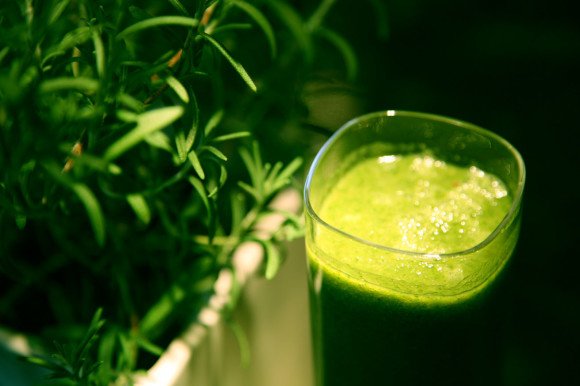
Detoxing your body with Green Smoothies!
Truth is, everybody could use a cleanse, once in a while. Unless you live in a pristine environment in the middle of the jungle with only access to organic, tree-ripened fruits!
If being tired and exhausted is a daily thing for you you just can’t ignore the bloated stomach and the lack of energy always makes you feel drooped down, then all you have to do is to detox your body to get back in shape.
Even just a one-day detox is often enough to get you back on track with the raw food diet and help you purge some accumulated toxin.
Here’s an easy, one-day detox anyone can safely follow:
BREAKFAST:
Either skip breakfast, or make a light smoothie consisting of some fruit and greens.
For example:
· 3-4 bananas
· 1-2 cups of sweet fruit (mango, papaya, pear, apple, etc.)
· 2 cups of baby spinach
· water
Blend together
LUNCH:
Same as breakfast, or have a fruit meal of one or two types of fruit. (Eaten whole or as a smoothie.) For example: papaya and banana, blended together or eaten together.
AFTERNOON SNACK:
Make another green smoothie. Here’s one of my favorites:
· 3-4 bananas
· 1 ½ cups of frozen blueberries
· 2 cups of spinach or romaine lettuce or other greens (non-bitter)
Blend with water!
DINNER:
If you’re really hungry, start dinner with some fruit, or a fruit smoothie or soup.
Then follow with a simple vegetable soup.
Here’s one that I really like:
· 2 medium tomatoes
· 2 small cucumbers, peeled
· 1 mango or 1 cup of another fruit
· fresh basil, or dill
· 2-3 green onions, fresh
The idea here with this soup is to blend it at the lowest speed in your vita-mix or blender. It should still be chunky. Dice the tomatoes and cucumbers. Blend together and add the other ingredients. Blend slowly!
If you’re still hungry after this soup, you could make a non-fat salad, or eat more fruit. As long as you avoid oils, nuts and other fatty foods, as well as salt, you’ll still be following the guidelines for the cleanse!
Try this one-day detox, and you’ll see how great you feel. Now imagine what 7 days could do for you…
If you have a favorite recipe, why not submit it here in the comment section of this smoothie recipes blog for others to enjoy too!
I also welcome any comments, questions and suggestions. Thanks!
My son has been drinking green smoothies since he was four and he really loves them (although he sometimes complains that I give them to him all the time, LOL).
However, your children (and quite possibly your adult family members too) may be resistant to the idea to trying smoothie recipes with any green ingredients added. If that’s the situation, don’t despair!
In my experience, green fruit smoothie recipes for kids are always a success!
But, yes, you may need to use some tricks to encourage their consumption initially.
Let’s face it. Unhealthy foods are everywhere. Children are assaulted by less-than-ideal food choices wherever they go: birthday parties, convenience stores, street vendors, fast food joints, etc. Sodas, cakes, cookies, pizzas, fries, hot dogs, candy, ice cream. There is no escaping them. Not even school cafeterias are free from them. No wonder their taste buds get used to very sweet-salty-fatty foods.

The scary statistics is that 40% of the calories US children eat are nutritionally empty!
Getting children to eat healthy, balanced meals is a concern that MANY parents have. They are especially concerned about the lack of fruits and vegetables their kids are eating and it is no wonder… modern convenience foods marketed to kids are lacking in nutritional value. As a result children are not developing tastes or cravings for the nutritional powerhouse foods they need, namely fresh vegetables, fruits and leafy greens, as well as healthy whole grains, legumes, nuts and seeds.
The great thing about green smoothies is that they disguise what might otherwise be considered unwelcome ingredients, including healthy leafy greens that may be eaten rarely or avoided completely.

Most kids and adults love these smoothies from the first sip and may never know they are drinking their vegetables unless you choose to tell them!
However, if you can’t get your kids to eat spinach or kale in their dinner salad (that is, if they even eat any salad at all), you will probably be doubtful whether you’ll be able to convince them to have a green smoothie – or any drink that has even a hint of green (except maybe a green Gatorade).
So, here is a motivational technique to get your kids (and yourself) to eat a lot of greens.
If your child refuses to drink green smoothies, start by making smoothies that don’t look green at all.
Start with preparing mostly sweet smoothies with lots of fruits or natural sweeteners. Children naturally love sweet taste of ripe fruit.
Then start incorporating celery in green smoothies. Celery hardly changes the color or taste of the smoothie and would be a great way to get children to start eating more of this nutrient-rich vegetable.
Start with a half or even a quarter stalk of celery. This is getting your food in the door. Your child may be suspicious about what is exactly in the smoothie, so don’t even tell him/her or let them see what is inside the blender.
Even if they don’t love it, they will not hate it either.
Once your child gets used to the celery, start adding small – and hard to detect – quantities of other greens.
Adding other color-changing ingredients, such as blueberries, will also help mask the green color that some children may find problematic.
With time, everyone in your home should get used to the taste, and even prefer it over the no-veggie version, which may start to seem too sweet and lack certain tartness. Our taste buds are really quite adaptable!
The key is to make the change gradually. Human taste buds are highly adaptable little organs, and you can reprogram them gradually. The taste buds aren’t sensitive enough to notice an addition of a small amount of new ingredients and reducing sugar. Over time, they’ll learn to enjoy the true flavor of fresh, healthy food and the lovely tastes that fresh vegetables, greens and fruits have to offer.
The good news is that taste buds adapt very quickly and within two-three weeks your child should be really enjoying more green smoothies.
Here are a few more tips to help you to get you started if you have picky eaters in your house:
* Start with preparing mostly sweet smoothies with lots of fruits. Add only a little bit of mild tasting greens (starting with celery or spinach). You may also add natural sweeteners, if you feel the smoothie is not sweet enough for your child.
* Use sweet, ripe fruits that your child loves. For example, strawberry, pineapple and blueberry are all time favorites.
* Use well ripened bananas for creamy texture.
* Think how to make the smoothie making and drinking fun. One way that may work well for younger kids, is to come up with a cool name for your smoothies. Some ideas are: Bey-blade Blaster, Enter the Dragon, Shrek’s Favorite Smoothie, Cinderella’s Cocktail, Transformer’s Fuel, or other, depending on what your child’s favorite’s characters are at the moment.
* Use a pretty glass with a straw and a cocktail drink umbrella.
* Or use a non-transparent cup with a straw to completely mask the color of the drink.
* Ask your child to drink green smoothies before the child eats other things. My son drinks a green smoothie first thing in the morning, before he eats anything else. He usually gets another glass 1 hour to 30 minutes before dinner.
* Educate your children about the benefits of drinking green smoothies. Explain it to them in simple terms. You may be surprised how eager they are to learn.
* Freeze green smoothie into a Popsicle.
* If nothing else is working, consider a reward system. Although, I am not in favor of reward systems, especially when it comes to food, however, if your child is highly defiant, and all other methods have failed, you may find that using some kind of incentive is effective. Just, please don’t use junk food as treats for reinforcing good eating habits!
For best results, it’s important invest in a quality blender. The reason being you really want a your green to be as smooth as it can be, and not all blenders will be able to handle the job of blending, e.g. kale or collard greens, to perfection.
Most likely, your child will refuse to drink anything with touch pieces of kale or celery stalk. Read my review best smoothie blenders and comparison of Blendtec vs Vitamix. Both are excellent blenders for making green smoothies.
Also, although I recommend that you start with spinach in smoothies, add different greens as well. It’s important to rotate your greens, and not use the same ones all the time.

My son loves green smoothies. No, really. He is squinting because he doesn’t want me to take a picture 😉
How about a healthy strawberry pineapple smoothie recipe to start off with?
The tangy taste of pineapple adds a wonderful flavor to smoothies. If you learn how to pick a pineapple that is ripe, you will also get a sweet-tasting smoothie. Cutting a pineapple ahead of time and storing the slices in an airtight container in the fridge will save time when making the smoothie. Canned pineapple often comes with added sugar or preservatives, so using it may not be such a good idea if your focus is on healthy nutrition.
Ingredients
Instructions
Sweeteners. My 8-year-old finds fruit smoothies pretty sweet on their own, so I never add sweeteners, but he’s been drinking smoothies since he was four. If you are just trying to convert your kids to drinking greens, you may want to sweeten their smoothies a bit. Experiment with adding agave syrup, maple syrup, a few dried figs, or any sweetener that your child will like.
Ice. Many smoothie recipes call for ice cubes. Personally, I’m not a fan of adding ice cubes to smoothies, except in the summer. So even if I use frozen fruits, like I often do (for example, I often use mixed berries in smoothies), I usually add warm water. In my opinion, drinking a cold smoothie is not great for our body and digestion. However, many people will not drink a smoothie unless it’s ice cold.
Also, feel free to experiment and mix and match the ingredients! Have fun!
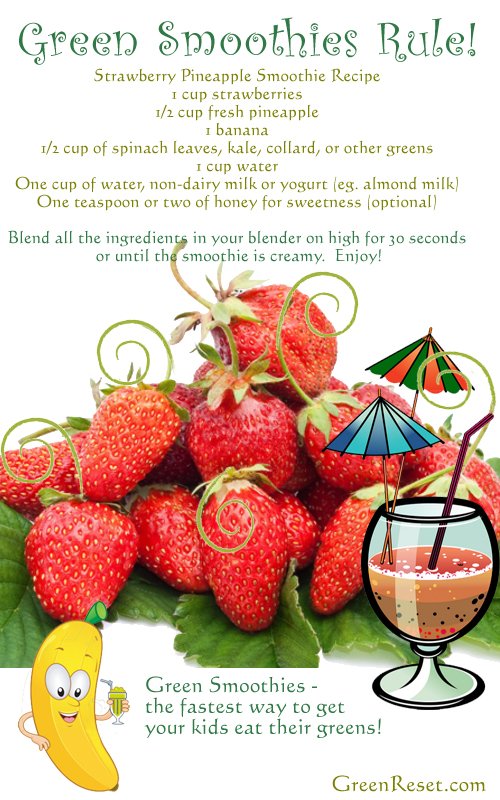
Although many adults (and sadly, many children as well) are drinking green smoothies to help them lose weight, my son is very tall and thin, so I try various ways to add more calories to his meals.
I often add nuts, seeds and/or quick oats to smoothies to make them more filling. My son is at the age when he is growing very quickly and burning lots of calories, so I want him to have adequate amount of nutrition during the day.
One of the recent favorites in my home is this Banana-almond nut smoothie – check it out!

Really, any smoothie recipe can be adjusted to be more filling and have more “staying power” by adding one of the following ingredients:

If you have a favorite recipe, why not submit it here in the comment section of this smoothie recipes blog for others to enjoy too!
I also welcome any comments, questions and suggestions. Thanks!
Bananas have for long been a staple in many parts of the world. Most people enjoy bananas and banana smoothies. (I have to admit I almost always add at least 2 bananas – and sometimes more) to my smoothies.
They make the smoothies rich and sweet. They are also very filling, and come prepackaged in their own yellow jackets which makes them super-convenient to eat on the go and easy to bring with you on the road.
However, some people claim that they are bad for us because of the sugar and high calorie content, and therefore believe that they should be avoided.
I personally don’t believe this should be an issue for most of us. Even though bananas are high in calories, they are still a healthy food, rich in nutrients and fiber. Still, if you are trying to lose weight or trying to overcome insulin resistance or type II diabetes via diet, then you may want to limit the amount of bananas that you eat. (Also, scroll down to the section on Nutrition, Health Benefits and Will Bananas make me Gain Weight?; plus read my How bad are bananas post here. )
**Warning**: Just in case you haven’t noticed, you are on a GREEN SMOOTHIES website, so most of the recipes recommend adding some green ingredient – most often spinach – which is the mildest green to add to your smoothies if you are new to them. If you’ve never tried a green smoothie in your life, I encourage you to keep an open mind and just do it! It will not kill you, and who knows, it may help save your life ;-).

Process in blender until smooth. Serve immediately or freeze until slushy.
Ice. A lot of smoothie recipes call for ice cubes. Personally, I’m not a fan of adding ice cubes to my smoothies, except sometimes in the summer. Drinking a cold smoothie is not great for our body and digestion.
Non-dairy milk or yogurt. Experiment with various kinds of plant milk or yogurt, such as soy, rice, almond, hemp, etc.
Sweeteners. I find fruit smoothies pretty sweet on their own, so I never add sweeteners myself, but I know a lot of people like to sweeten their smoothies. You can try adding agave syrup, maple syrup, a few dried figs, raisins, or any sweetener that you like.
Since bananas are picked off the tree while they’re still green, you will often to see them green in the store. Of course, green bananas should not be used in smoothies. The best bananas for smoothies are ripe yellow in hue and with brown spots. Leave bananas to ripen at room temperature. Unripe bananas should not be placed in the refrigerator as this will interrupt the ripening process that will not be able to resume even if the bananas are returned to room temperature.
If you need to speed up the ripening process, you can place bananas in a paper bag or wrap them in newspaper, adding an apple to accelerate the process. You can store ripe bananas in the fridge. Although their peel may darken, the flesh will not be affected. For maximum flavor when consuming refrigerated bananas, remove them from the refrigerator and allow them to come back to room temperature.
You can also freeze unpeeled bananas for use in smoothies. I usually do that when I have a lot of super-ripe bananas that I know I’ll not be able to use before they go bad. When I freeze bananas, I peel them and cut them in half. Then they go into freezer bags until I’m ready to use them.
some people believe that they are bad for us because of the sugar and high calorie content, and therefore believe that they should be avoided.

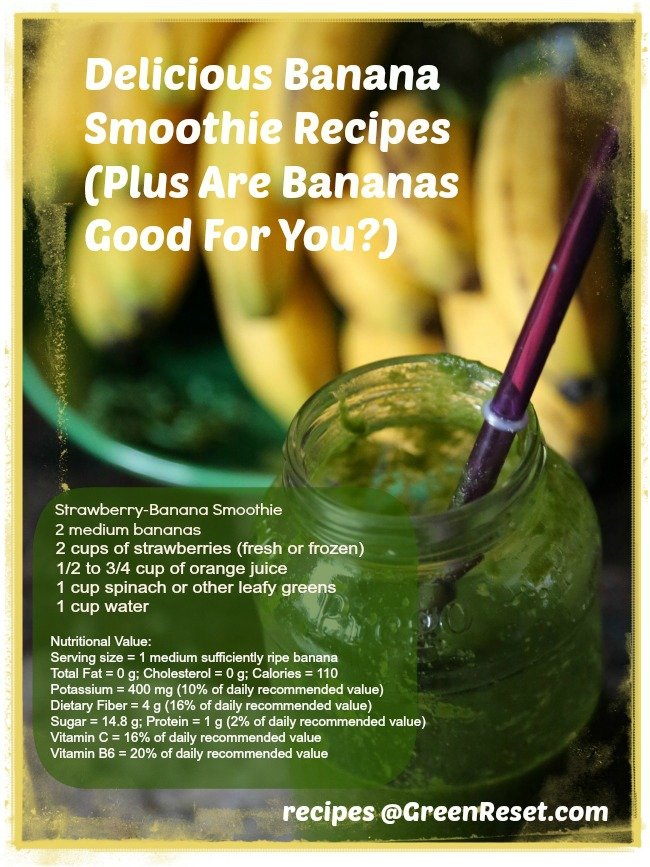
Serving size = 1 medium sufficiently ripe banana [about 7″ long and 126 grams (0.28 pounds) in weight]
Total Fat = 0 g; Cholesterol = 0 g; Calories = 110
Potassium = 400 mg (10% of daily recommended value)
Dietary Fiber = 4 g (16% of daily recommended value)
Sugar = 14.8 g; Protein = 1 g (2% of daily recommended value)
Vitamin C = 16% of daily recommended value
Vitamin B6 = 20% of daily recommended value
Bananas have a glycemic index of about 55. Compare that to apples, which have a glycemic index of about 38, and to pineapples who have a GI of 66.
The glycemic index measures how quickly the carbohydrates in the food get digested and turned in to blood sugar. This means that bananas get turned in to sugar pretty fast, but a medium banana contains less than 30 grams of carbs so that shouldn’t be a major problem. If you’re on a low-carb diet, though, this could be a problem and it might be a better idea to stick to fruits like blueberries. If you’re trying to overcome insulin resistance or type II diabetes via diet then you may want to limit the amount of bananas that you eat.
Just a brief search online for benefits of bananas produced many results. Here are just a few of them:
Help Bowel Health. Bananas are very rich in fiber content, which helps in curing any bowel-related problems, such as constipation. They can be more effective than laxatives, and much safer too. Bananas also help prevent heartburn. It has an antacid effect preventing heartburn.
Help Lower Blood Pressure. Potassium content in bananas can contribute to reducing high blood pressure and stroke. The presence of potassium also helps in lowering the amount of calcium purged from the body either through urine or in secretions such as sweat, which in turn prevents the occurrence of kidney stones and osteoporosis.
Help Anemia. High in iron, bananas can stimulate the production of hemoglobin in the blood and so helps in cases of anemia.
Help Reduce Stress. Bananas with their high potassium content help our bodies deal with stress. When we are stressed, our metabolic rate rises, thereby reducing our potassium levels. These can be rebalanced with the help of a high-potassium banana snack.
Help Recover from Depression. According one study, many people suffering from depression felt much better after eating a banana. This is because bananas contain tryptophan, a type of protein that the body converts into serotonin, known to make you relax, improve your mood and generally make you feel happier.
I could go on and on about the benefits, but the bottom line is this: bananas are good for you!
This is a question that many people ask. Many of people fear that bananas will make them fat which is totally untrue. The reason why people think that is because an average banana has about 100 calories, so for example, if you have 5 bananas a day it is 500 extra calories.
Well, first of all, as already mentioned above, bananas have a very low glycemic index. This is because they are full of fiber. This fiber takes a long time to digest which means that if you snack on two bananas you may very well get 200 calories, but you will also feel full for a couple of hours. Also, most of a banana is water which tends to get retained in the body. All you need to do is sweat it out and it’s gone.
Even the American Diabetes Association states that “Despite being erroneously called “fattening” and too high in sugar, a small banana only contains about 100 calories, which is not much more than a medium apple. Nor should it raise your blood glucose level too high.”
So, consider them safe and healthy for consumption!
For all my blending recipes – including smoothies, soups, nut butters and milks, I use Vitamix. If you don’t already own a VitaMix, I strongly encourage you to check out what this machine is capable of! For more information about VitaMix you can go directly to the VitaMix website. You may also want to read my post about the Best Blender.
I LOVE my VitaMix and highly recommend investing in one if you are ready to make serious changes to your diet. I have had mine for almost 5 years and use it daily!
If you decide to purchase Vitamix – be sure to use Promotional Code 06-004554 to get free shipping.
If you have a favorite recipe, why not submit it here in the comment section of this smoothie recipes blog for others to enjoy too!
I also welcome any comments, questions and suggestions. Thanks!
I’ve been reading a lot about sustainability lately. I thought I’ve been doing OK with eating lots of fresh fruits and vegetables, and eliminating most of junk foods and fast foods from my family’s diet and – although it’s still far from perfection – I’ve been pretty happy with the relatively low impact on the environment that such a diet has.
However, if I was really interested in going green and wanted to be super environment conscious with what I eat, ideally, I should be consuming locally grown produce that is also organic or grown without pesticides/herbicides.
So, what about bananas in my smoothies?
You see, bananas are the main ingredient in most of my green smoothies.
Since I live in northern New Jersey, you will not find a banana tree in my neighborhood, even in a 100 mile radius. They have to be transported thousands of miles across the globe, producing carbon waste, so I can feed my family’s appetite for green banana smoothies.

Of course, it’s not just about bananas. Avocados, mangoes, pineapples, kiwis, etc. – I love those too, but bananas have become my staple food. Thanks to bananas, I stopped eating most of bread, cookies, and other processed carbs. They are very filling and satisfy my hunger and cravings for comfort foods.
Besides, I have to admit – I really love those banana smoothies and cannot imagine my life without them. I use loads of bananas and even if I could figure out a way to make green smoothies without them, it would be a lot more difficult to make them deliciously sweet and creamy.
So, I had this whole issue how our food choices impact the environment in the back of my mind for a couple of months now, when browsing my online library catalog I noticed a book entitled “How Bad Are Bananas?: The Carbon Footprint of Everything” – and my heart sank.
“Oh NO” I thought in panic “Am I going to have to give up bananas in my smoothies?”
I couldn’t wait to loan or buy the book, I had to know RIGHT NOW exactly how bad bananas really are for the environment – if they are not consumed straight from the tree, but shipped miles and miles from where they were grown to northern New Jersey.
Thank God for Amazon’s “LOOK INSIDE” feature. I quickly found the page that interested me, and here is what I learned.
Turns out the author – after doing some carbon emissions calculations (don’t ask me how) – concluded that “Bananas are a great food for anyone who cares about their carbon footprint” (that’s me, I thought, relieved). One banana produces just 80 g of carbon emissions – when imported from the other side of the world – you get a whole lot of nutrition: 140 calories as well as vitamin C, vitamin B6, potassium and lots of dietary fiber. Compare that to a 4 ounce beefsteak that produces 2 kg of CO2e.
Overall, while not ideal, they may be an acceptable addition to the low-carbon diet – and here is why:
1. They are grown in natural sunlight – no hot-housing required.
2. They keep well, so they can be shipped by boats, which is only about 1 percent as bad as flying.
3. There is no processing involved and hardly any packaging (although they do come in the plastic wrapping – I haven’t found a place so far that would sell them without, but maybe I should look harder – I really want to eliminate plastic from my waste).
4. Fair trade version is available (note to myself – find fair trade bananas in my area).

All this is good news. On the other hand, the fact remains that of the 1000 varieties of bananas in existence, almost all those we eat are of the single, cloned “Cavendish” variety. In their natural form, bananas have large seeds and can be yellow, green, purple or even red. “The adoption of the Cavendish monoculture in pursuit of maximum, cheapest yields has been criticized for degrading the land and requiring the liberal use of pesticide and fungicide.”
And they are in danger of disappearing due to spreading of disease. The danger of monoculture is that once one plant gets sick, all plants get sick pretty quickly!
Check out this book with lots of interesting banana facts.
All this is means that I’ll keep using bananas in my smoothies for now (especially for my son), although I will start to prepare more recipes that are based on locally grown ingredients and use less of them in my smoothies than up till now.
Here is a recipe that I prepared last night. This is not a smoothie recipe, but rather a coarsely blended soup, that used locally grown ingredients only – without any bananas.
1 large tomato (ripe and fragrant)
1 pear (also very ripe)
1/3 of red pepper
2-3 leaves of lettuce
10 leaves of fresh basil (from my balcony!)
I blended this in my Vitamix on low speed without any water added, just pushing down the content with the plunger, so it had a coarse consistency of a stew. It was really delicious and looked good too (I wanted to take a picture, but I had no battery in my camera, so maybe next time). In fact it was so good that I prepared a second batch, replacing pear with a peach and basil with cilantro. It was still good, but not as delicious as the first one, so I only ate a little, and left the rest in the fridge for the next day. So today, I added 2 more very ripe pears and more lettuce, and blended the everything to a very smooth consistency – and it was amazing.
Unfortunately, my son still did not like it. Perhaps I could try adding some sweetener, like maple syrup or agave? But for now, I’m going to buy some bananas tomorrow for sweet banana smoothies (with greens, of course).
Of course, everything we eat has some impact on the environment, so at least I was relieved to learn about the boat transportation that is relatively Earth friendly – so much more than planes and trucks.
But what about other aspects of eating bananas (or other fruits for that matter)?
The question on many people’s minds is: Are bananas good for our health? Read about it in the upcoming Part II.
If you have a favorite recipe, why not submit it here in the comment section for others to enjoy too!
Do you have a question or comment or would like to contribute a tip or recipe? Enter it in the comment section of this smoothie recipes blog. Thanks!
