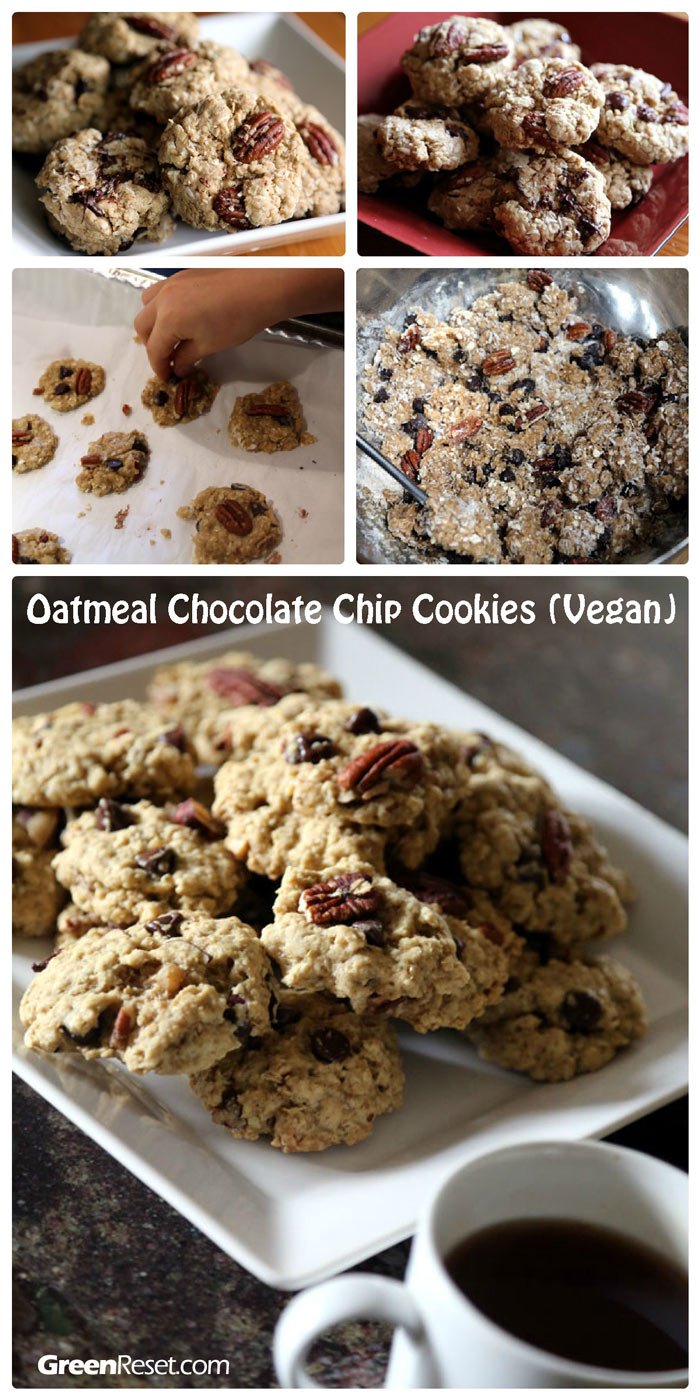
Making egg free cookies is actually very easy and fast once you learn about some good egg substitutes for baking.
Ingredients
• 2 cups quick-cooking oats
• 2 cups all-purpose flour
• 1 teaspoon baking soda
• 1/2 teaspoon baking powder
• 1/2 teaspoon salt
• 2/3 cup canola oil
• 2/3 cup sugar
• 3/4 cup brown sugar
• 1/2 cup nondairy milk: almond, soy, rice, or other
• 1 tablespoon ground flax seeds
• 1 teaspoon vanilla extract
• 1 cup shredded coconut
• 1 generous cup semisweet chocolate chunks or chips
• 1 cup chopped toasted pecan pieces or walnuts
Instructions
Preheat oven to 350F. Line two baking sheets with parchment paper.
In a medium-size bowl, stir together oats, flour, baking soda, baking powder, and salt. Set aside.
In a large bowl, beat together oil, sugar, brown sugar, nondairy milk, flax seeds, and vanilla. Fold in half of the flour mixture to moisten, then fold in the remaining half. Just before the mixture is completely combined, fold in the coconut, chocolate chunks and pecans. The dough will be thick and sticky.
For each cookie, drop 1/4 cup of dough (about the size of a golf ball - I like to use ice cream serving spoon), onto cookie sheets, leaving about 2 inch spaces between each cookie. Flatten slightly with moistened fingers.
Bake for about 15 minutes until edges begin to turn brown. Let the cookies rest on the baking sheet for 5 more minutes, and transfer to wire racks to complete cooling. Store in a loosely covered container.
For all my blending recipes I use Vitamix. If you don’t already own a VitaMix, I strongly encourage you to check out what this machine is capable of! For more information about VitaMix you can go directly to the VitaMix website. You may also want to read my post about the Best Blender.
I LOVE my VitaMix and highly recommend investing in one if you are ready to make serious changes to your diet. I have had mine for almost 5 years and use it daily!
If you decide to purchase Vitamix – be sure to use Promotional Code 06-004554 to get free shipping.
Questions? Comments? Suggestions?
If you have a favorite recipe, why not submit it here in the comment section of this blog for others to enjoy too!
I also welcome any comments, questions and suggestions. Thanks!
Making your own egg free mayonnaise is actually very easy and fast. The versions I’m giving you below are also much healthier than regular, store bought mayonnaise. They are mostly low fat, cholesterol free, and of course, vegan.
They use a variety of ingredients, which just shows you that you can get creative when making your own mayo. Once you learn about some good egg substitutes, you can always find egg-less mayo ingredients for your recipe.
Of course, there is always store-bought vegan mayo, such as Veganese (that’s what I bought initially – and it’s really very good), but why not try something different and even healthier.
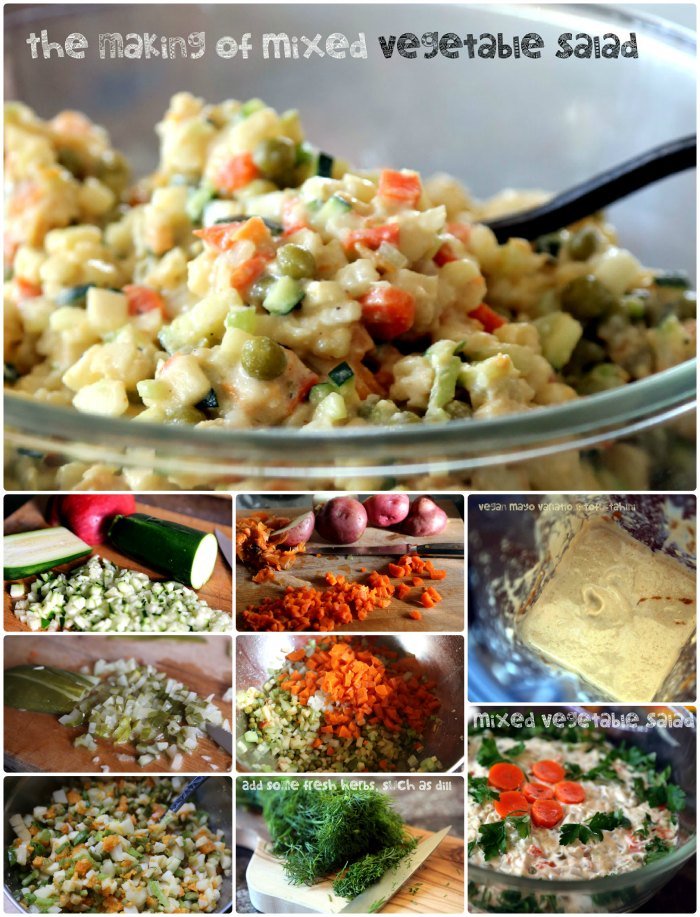
Store-bought mayo can be expensive, so while that is OK for a veggie sandwich every now and then, when it comes to things like potato salad or mixed vegetable salad, the cost is adding up quickly.
The following recipes are cheaper–and often healthier–versions that come together quite nicely.
5 Easy Low-Fat Vegan Mayo Recipes
Here are some great options to use instead of store-bought mayo.
For the base of your mayo, you may use a variety of ingredients, such as silken tofu, avocado, raw zucchini, cooked beans, cooked greens or other vegetables. Bean mayo, spinach mayo, artichoke mayo. Even a plain slice of white bread soaked in a tiny bit of water can form the base of the mayonnaise.
The basic method is to stick your base along with some mustard, lemon juice, and (in this case) garlic into a blender container or food processor. After that, you top it up with some oil (if using), turn the blender on, and start whizzing, until the mixture gets emulsified by the rapidly spinning blade.
You can adjust the seasoning of the mayo with black pepper, curry, paprika or garlic, but I prefer using the traditional spice – Dijon mustard. As for oils, I like to skip them in the recipes. If I want extra silky texture I might add 2-3 tablespoons of extra-virgin olive oil (but beware that you will be able to taste it more than the other oils, which are pretty much tasteless).
If you want to give your mayo an extra flavor, chop up whatever you have on hand (dill, tarragon, thyme, rosemary, etc.) and stir about a tablespoon into the blended mayo. Other good additions are pesto, roasted or freshly minced garlic, or hot sauce.
Note: Use the mayo immediately for your recipe, or store in a refrigerator and do a quick re-blend before using. For a more stable mayonnaise, add a pinch of soy lecithin (available in health and nutrition stores).
Egg-Free Mayo Recipe #1: Avocado Mayo
Avocado + Mustard + Lemon = Creamy and tangy goodness that is easy to mash into your salad yielding a mayo-like experience.
1 medium ripe avocado, cut in half, pit removed, and flesh scooped out
1 tablespoon lemon juice (lime or orange can be used as well)
2 teaspoons Dijon mustard (optional)
sea salt (optional, adjust to taste)
2 tablespoons olive oil (optional)
Add the avocado, lemon, mustard (if using) and salt to a food processor or high speed blender and process till it’s blended up well. Stop a few times to scrape the bowl down if need be. With the motor running, drizzle in your olive oil (if using). Continue blending till the mixture has taken on a creamy, light texture. You can also just mash it all up in a mixing bowl. Makes 1/2 to 3/4 cup (depending on the size of your avocado). You can definitely skip the olive oil, but leave it in if you want to create a truly emulsified, silky “mayo.”
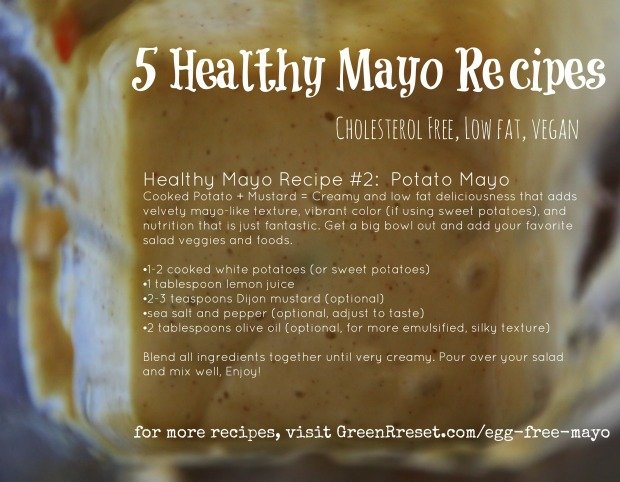
Egg-Free Mayo Recipe #2: Cooked Potato Mayo
Cooked Potato + Mustard = Creamy and low fat deliciousness that adds velvety mayo-like texture, vibrant color (if using sweet potatoes), and nutrition that is just fantastic. Get a big bowl out and add your favorite salad veggies and foods.
1-2 cooked potatoes (or sweet potatoes)
1 tablespoon lemon juice
2-3 teaspoons Dijon mustard (optional)
sea salt and pepper (optional, adjust to taste)
2 tablespoons olive oil (optional, for more emulsified, silky texture)
All in all, these two options are great healthy replacements for the next time you need mayo in your salad. They add creaminess, nutrition, and flavor which is really what you’re after. Pro-Tip… (good quality) mustard makes everything better.
Egg-Free Mayo Recipe #3: Cashew Mayo
1 cup raw cashews
2 tablespoons of freshly squeezed lemon juice
2 tablespoons of mustard
1/4 cup of vegetable broth or water
Put one cup of raw cashews in a bowl and cover them with water. Let them sit for a few hours–about two to four is a good amount. Drain and rinse the cashews, then pop them in your blender or food processor with 2 tablespoons of freshly squeezed lemon juice, 2 tablespoons of mustard, and 1/4 cup of vegetable broth or water. Blend everything until it’s completely smooth, scraping down the sides of the blender or food processor as needed. You can add more broth or water if you want a thinner mayo–I usually add an additional tablespoon or two of water. After you’re finished blending it, taste it and season with salt, if needed.
Egg-Free Mayo Recipe #4: Zucchini-Cashew Mayo
It can be used not only as a hummus, but also a veggie dip or even a sandwich spread in place of mayonnaise.
1 large or 2 small zucchini (peeled and coarsely chopped)
1/2 cup raw cashew butter or almond butter
2 tablespoons extra virgin olive oil (optional, for extra silky texture)
2 tablespoons lemon juice
2 tablespoons mustard
sea salt and pepper (to taste)
1 large clove of garlic
pinch of cayenne
sprinkle of paprika
Place all ingredients in food processor with and blend till creamy. Add some distilled water to thin if needed for use as a spread or dip.
Egg-Free Mayo Recipe #4: Tofu-Garlic Mayonnaise
This mayo is super quick, easy, and packed with protein thanks to the addition of silken tofu. It’s great in potato salads and on sandwiches. I found this first recipe in the Vegan Diner cookbook. When I tested it on its own, it was different from the egg-mayo or plant-based that you buy in a store, but in the salad it worked great!
1 (12.3 ounce) package extra-firm silken tofu (regular tofu will not be as smooth)
2 tablespoons extra-virgin olive oil (optional, skip for low-fat recipe)
3 tablespoons Dijon mustard
2 tablespoons freshly squeezed lemon juice
2 large cloves garlic
1/2 teaspoon fine sea salt
In a food processor or blender, combine the tofu, olive oil, mustard, lemon juice, garlic, and salt. Puree the ingredients until extra smooth, mixing the ingredients with your the pusher (if using Vitamix), or pausing to scrape down the sides of the blender as necessary. Taste the mayonnaise and adjust seasonings to taste. Transfer to a covered container and refrigerate for an hour, if possible, to allow the flavors to blend before using, transfer to a covered container and refrigerate for an hour.
Questions? Comments? Suggestions?
If you have a favorite recipe, why not submit it here in the comment section of this blog for others to enjoy too!
I also welcome any comments, questions and suggestions. Thanks!
I usually don’t add starchy vegetables, such as carrots, to my smoothies. And I rarely make smoothies that don’t contain any greens (green smoothies are my favorites!).
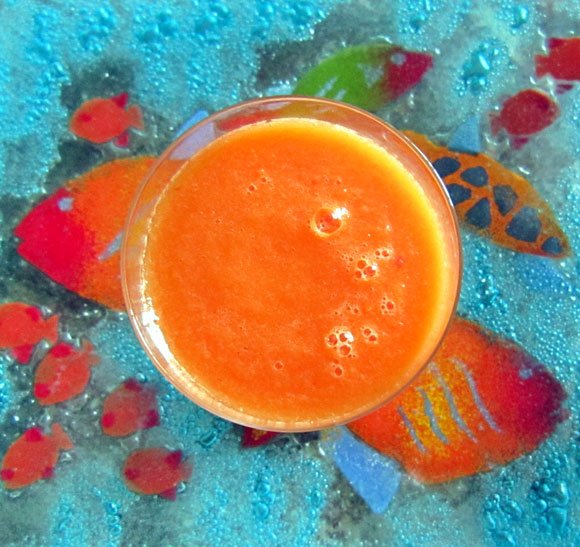
It combines carrots and oranges – for outrageous, bright orange color (a nice change from the green-colored smoothies), with apple and ginger – for tangy flavor.
You may want to squeeze the oranges and just use the juice – the consistency will be less thick. I just use the oranges whole and add some water. This smoothie is great chilled, so you may want to toss in some ice.
Blend in your blender on high until smooth!
Carrot-Orange-Ginger Smoothie
For all my blending recipes I use Vitamix. If you don’t already own a VitaMix, I strongly encourage you to check out what this machine is capable of! For more information about VitaMix you can go directly to the VitaMix website. You may also want to read my post about the Best Blender.
I LOVE my VitaMix and highly recommend investing in one if you are ready to make serious changes to your diet. I have had mine for almost 5 years and use it daily!
If you decide to purchase Vitamix – be sure to use Promotional Code 06-004554 to get free shipping.
Questions? Comments? Suggestions?
If you have a favorite recipe, why not submit it here in the comment section of this smoothie recipes blog for others to enjoy too!
I also welcome any comments, questions and suggestions. Thanks!
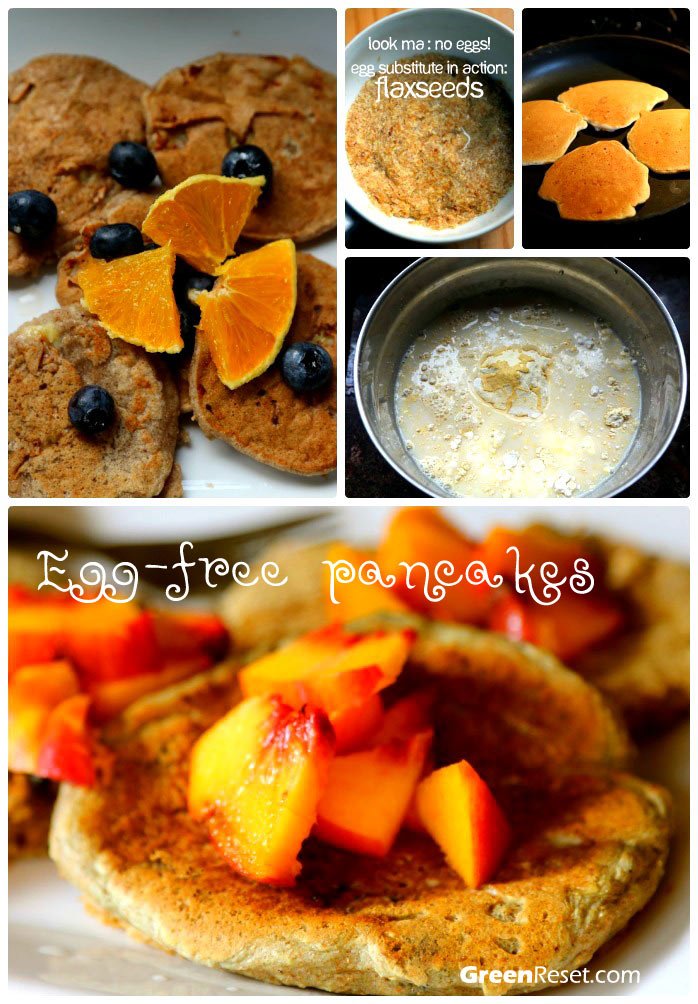
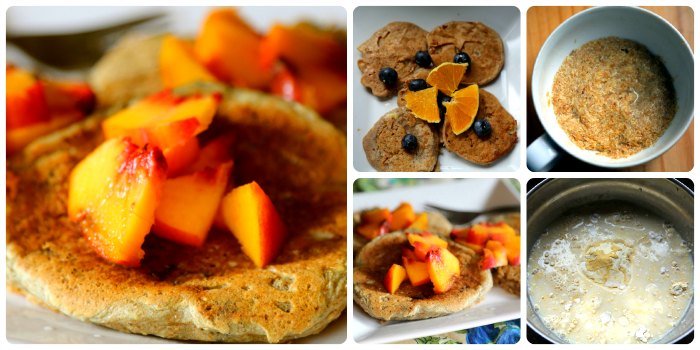
This is one of the first egg-free pancake recipes that I tried. It’s truly easy to skip the eggs in most recipes, once you learn about substituting eggs in baking and cooking.
If you are wondering why I recommend that you substitute eggs with plant ingredients in all your favorite recipes, read this post – it explains it all.
This recipe calls for rolled oats and dried cranberries, which I substituted with frozen blueberries. It’s perfect for Sunday breakfast or brunch (after you had your spinach smoothie ;-))
Egg-free, Dairy-Free Pancakes
Makes about 10 medium pancakes
Allergy Note: contains wheat
1 1/2 cups soy milk, rice milk, almond milk or fruit juice
3/4 cups whole wheat flour
2 teaspoons baking powder
1/2 teaspoon baking soda
1/2 teaspoon salt
1/4 cup flax seed meal
2 tablespoons olive oil (or other vegetable oil, optional)
3/4 cup uncooked rolled oats
1/4 cup dried cranberries or frozen blueberries
2 tablespoons sunflower seeds
Mix well the first seven ingredients. If using Vitamix, turn machine on and quickly increase speed to Variable 10, then to High and blend for 15 seconds. Add oats, sunflower seeds, and berries. Mix or blend on Variable 1 for 15 seconds. Let sit for 5-10 minutes before cooking to yield best texture and flavor.
Questions? Comments? Suggestions?
If you have a favorite recipe, why not submit it here in the comment section of this blog for others to enjoy too!
I also welcome any comments, questions and suggestions. Thanks!
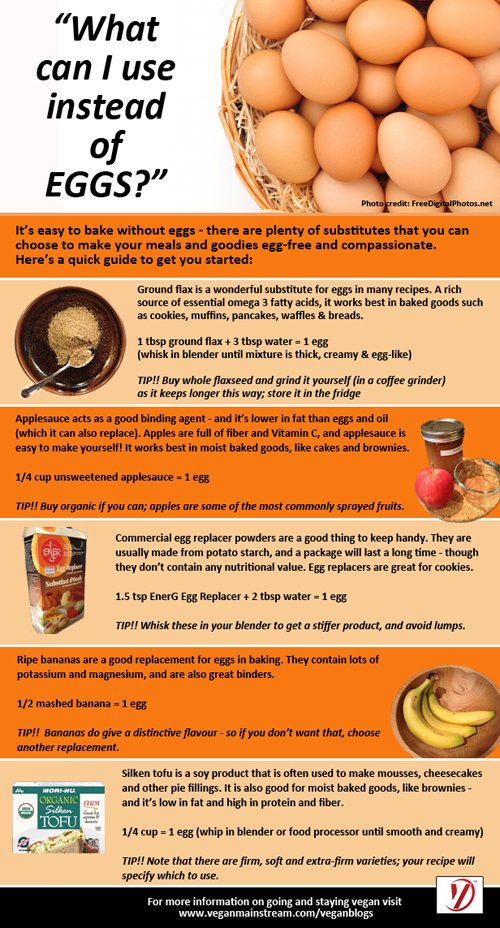
Since eggs serve a wide array of purposes in cooking and baking, there is no single ingredient that replaces universally in all recipes. So depending on the purpose and recipe, as well as your own taste and preferences, you’ll need to decide what to use on a case-by-case basis.
The fact is to create delicious, decadent, successful baked goods and other recipes, you don’t need animal products at all.
What you really need is:
binding
moisture
richness/fat
leavening
And all these things can be better accomplished with healthful, plant based ingredients.
As with any cuisine or technique you are trying for the first time, there’s a learning curve, but once you try using egg substitutes in baking and cooking once or twice, new habits will soon take place of the old ones, and you’ll never look back.
Also, it’s not as if you must use a replacement for every egg you eliminate from your recipe. Often, the eggs are totally superfluous and can be left out altogether, with no need for substitutions.
Baked goods don’t require dairy-based milk, dairy-based butter, or chicken’s eggs. They require binding, fat, moisture, richness, and leavening.
There are plenty of egg substitutes available for baking or preparing a dish that calls for eggs. Let’s look at some of the most popular ones.
Egg Substitutes in Baking & Cooking Recipes
There is no hard and fast rule about egg substitute — you have to experiment to see what you like and what works for you. Sometimes one works great in one recipe, but not in another. It’s really a matter of experience, experimentation, and individual taste.
Flax Seed: The High-Fiber Egg Replacer
When blended with water, ground flaxseeds (brown or golden) make a gelatinous mixture similar to egg white, so they make a good egg substitute in some baked goods when only an egg or two is called for. For each egg you want to replace, whisk 1 tablespoon of ground flaxseeds with 3 tablespoons of water until the mixture is thick and gooey. This can be done in a blender or food processor.
Because flaxseeds have a nutty flavor, they work best in baked goods that are grainier and nuttier, such as waffles, pancakes, bran muffins, breads and oatmeal cookies.
You can use store-bought ground flaxseeds or flaxseed meal egg substitute, but for better flavor and freshness, you may want to buy whole seeds and grind them yourself using a coffee grinder.
If you want to use this, but don’t want the flecks of brown skin to show, you can strain it through a fine sieve or cheesecloth, OR use golden flaxseed.
Ripe mashed bananas are great binding ingredients in baked goods.
As a general rule, consider half a mashed or pureed banana as a replacement for one or two eggs. They are great in breads, muffins, cakes and pancakes.
Banana will add some flavor to the recipe, so make sure bananas are compatible with the other flavors in the dessert.
Applesauce
Applesauce not only acts as a binding agent but also provides a good substitute for oil in baked goods when you want to limit fat and calories in your recipes.
Use one-fourth of a cup of unsweetened applesauce to substitute one egg.
Applesauce will add some flavor to the recipe, so make sure apples are compatible with the other flavors in the dessert.
Works great in muffins, brownies, cakes, and bars.
Tofu
Tofu is great for egg substitutions in recipes that call for a lot of eggs, like quiches, custards, puddings, musses, scrambles, and even mayonnaise. To replace one egg in a recipe, purée 1/4 cup soft tofu. Even though tofu doesn’t fluff up like eggs, it does create a texture that is perfect for “eggy” dishes.
For best results, be sure to use plain tofu, not seasoned or baked, as a replacer.
Be sure to purée it first to avoid chunks in the finished recipe.
Works for pies, quick breads, muffins, and cakes that are more dense.
Tofu is also a great substitute for eggs in eggless egg salad and breakfast scrambles.
Egg Substitute in Action: Egg-Free Veggie Scramble With Tofu
When combined with an acidic ingredient (such as vinegar, citrus, or cocoa), baking soda releases carbon dioxide that forms into bubbles in the food. When heated these bubbles expand and help to rise or lighten the final product.
1 egg = 1 teaspoon of baking soda with 1 tablespoon of vinegar; works in cakes, cupcakes, and quick breads.
Other Egg Replacement Options
1 egg = 2 Tbsp. potato starch
1 egg = 1/4 cup mashed potatoes
1 egg = 1/4 cup canned pumpkin or squash, for quick breads, muffins, cakes
Since eggs serve a wide array of purposes in cooking, there is no single ingredient that replaces universally in all recipes. So depending on the purpose and recipe, as well as your own taste and preferences, you’ll need to decide what to use on a case-by-case basis.
If a recipe calls for three or more eggs, it is important to choose a replacer that will perform the same function (i.e., binding or leavening).
Attempting to replicate airy baked goods that call for a lot of eggs, such as angel food cake, may be difficult, if not impossible. In such cases, it’s better to find a recipe with a similar taste but fewer eggs, which will be easier to modify.
Powdered egg replacers cannot be used to create egg recipes such as scrambles or omelets. Tofu is the perfect substitute for eggs in these applications.
If you want a lighter texture and you’re using fruit purées as an egg substitute, add an extra 1/2 tsp. baking powder. Fruit purées tend to make the final product denser than the original recipe.
If you’re looking for an egg replacer that binds, try adding 2 to 3 Tbsp. of any of the following for each egg: tomato paste, potato starch, arrowroot powder, whole wheat flour, mashed potatoes, mashed sweet potatoes, instant potato flakes, or 1/4 cup tofu puréed with 1 Tbsp. flour.
People usually discuss eating eggs solely from the health perspective. There are those who have arguments pro and those who are against. Health is a complicated subject, and I’m not going to discuss it here.
What I want to talk about is the subject most people don’t know about or prefer not to know.
Please, don’t take it as judgment or criticism. I’ve been one of these people who prefer not to think about what’s going on behind the doors of factory farms for most of my life. I’ve only been vegetarian since May 2012, and vegan since July 2012, so I’m in no way judging anyone.
But, as I’m learning more and more about the subject, I’m increasingly appalled and horrified by what is going on meat and dairy farms around the world.
Most people have no idea when they have an egg how it’s connected to cruelty.
And if anybody has an idea about factory farming, they rarely make the connection between dairy and eggs, because they think the animals aren’t being killed. That is why I believe it’s really important to get this information out, because egg farms are some of the most abusive enterprises in terms of animal cruelty.
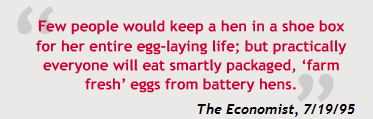
People think that eggs are an innocent byproduct of chickens. They have this imaginary picture in their minds that hens are just running around on the open pastures, and come back to a big red barn at night to lay eggs, but that’s just not the case.
In fact, 95 percent of the eggs in the supermarket stores come from birds that are kept in cages, which are lined up in rows, stack up on each other, inside huge windowless warehouses. Female chicks have their beaks ground off with a hot blade at 1 or 2 days old. Birds kept in these cages cannot walk, spread their wings, roost, or engage in any natural behaviors during their lifetime.
They are egg laying machines who are routinely abused, often sick and starved. And when their egg production declines, which is usually at about two years of age, they are simply killed. These birds end up so spent that the meat can only be used to make soup, chicken pies, and pet food. They are ripped out of their cages by their fragile wings and many of them are thrown in the kill carts and gassed with CO2, which is extremely painful. The rest of the hens are in such a bad shape by the end that they are beaten to death, or thrown live into wood chippers.
Have you ever wondered what happens to all the male chicks on the egg farms?
People often they think they are used for meat – at least that’s what I thought.
But that’s not at all what happens.
What happens with all the male chicks at these facilities is truly horrific. Males are not useful to the egg factories, since males don’t lay eggs and the egg laying breed will not grow large fast enough to be profitable for meat so they are deemed a byproduct by the egg industry, so they are disposed of within the first two days of hatching.
Baby male chicks are routinely disposed of in one of two ways: Either they are thrown into dumpsters full of other baby chicks, left to suffocate, or they are put, live, through meat grinders to be fed to other livestock.
The “Mercy for Animals” investigation in the largest hatchery for egg laying chickens discovered that these male chicks are thrown into grinding machines while they are still alive. This is the fate of over 200 million male chicks every single year.
Some of us who are aware of this still want to eat eggs so they buy eggs that they think cruelty free. I used to buy those eggs, hoping I’m doing a good thing.
In a lot of cases we are being fooled. There are a lot of labels that are thrown around regarding eggs. The most common is “United Egg Producers Certified,” which is on about 90% of eggs. This is a trade organization that represents 95 percent of factory farmers. They are PR organization to a large extent. If you see that label on an egg carton, it’s essentially a mark of cruelty. This means that these eggs come from an egg factory farm, where chickens are kept in cages where they cannot even spread their wings.
The other labels that you will see are “Cage Free” and “Free Range.” These mean that these birds are not kept in cages, but usually in tens of thousands of birds are kept in windowless warehouses where these birds are very intensively confined and cannot engage in many of their natural behaviors, they are not given access to the outdoors, and the male chicks are still killed because they are not profitable, and the birds have their beaks cut with a hot blade to prevent them from pecking with other birds in these overcrowded conditions.
When applied to eggs, the term “free-range” has no legal definition in this country. The term “cage-free” doesn’t mean cruelty-free. It does not ensure any humane treatment nor does it imply access to the outdoors. These labels indicate that these birds are not kept in cages, but in windowless warehouses where tens of thousands of birds are very intensively confined and cannot engage in many of their natural behaviors. Wings, beaks, and feet are still routinely clipped. Even hormone- and antibiotic-free labels mean nothing in terms of how the chickens are treated. The only certifications that pertain to animal treatment are “Certified Humane Raised and Handled” (beware of imposters; those exact words must be printed on the label) and “Certified Organic,” which also upholds relatively humane standards.
This is an extremely cruel industry and most people are completely in the dark about what’s taking place. Because of the marketing on the egg cartons by the egg industry. This imagery of free roaming chickens with big red barn in the background on egg cartons from hens that never even touched the ground or saw sunlight.
So let’s just eliminate eggs from our diet – it’s really easy. Cooking and baking is easy.
Over 95 percent of eggs sold in the United states come from birds confined in wire battery cages so small they can hardly move. They are egg laying machines who are routinely abused, often sick and starved. These birds end up so spent that the meat can only be used to make soup, chicken pies, and pet food. The rest of the hens are in such a bad shape by the end that they are beaten to death, gassed, or thrown live into wood chippers.
Fowl Play Movie Trailer: Why using egg substitutes is a moral imperative of our time
Fowl Play Movie: Male chicks end up in garbage bags.
Egg industry is probably the most abusive industry on the face of the planet. An egg is – calorie per calorie – probably the cruelest food that we can consume.
When most people in the US think of calcium, they immediately picture a glass of dairy milk. But should this be so?
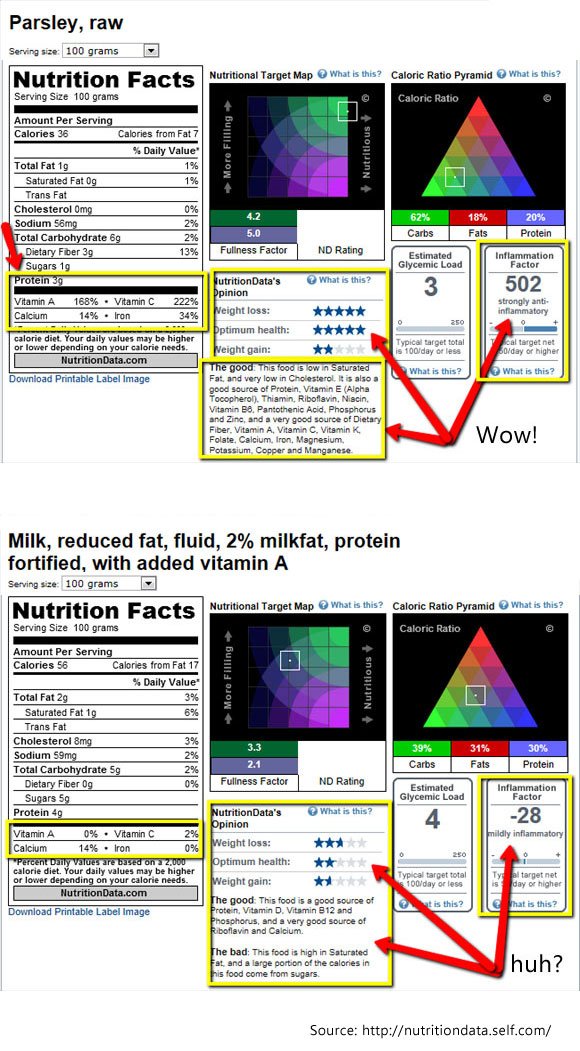
Milk is actually only one of many sources of calcium, and by far not the best one — dark leafy green vegetables, legumes, nuts and seeds are much healthier sources — and there are some important reasons why milk may not be the best source for everyone.
First of all, milk may be a contributing factor in the development of many allergic and autoimmune disorders. Many researchers believe that it is a contributing factor to cancer and many other chronic diseases, and even obesity. It’s also bad for the environment and cruel to the animals and their babies that suffer to satisfy our craving for white beverage.
Calcium Requirements
Calcium is a vital nutrient for bone health, muscle contraction, nerve transmission, blood clotting and much more. Calcium requirements vary by age as indicated below:
0 to 6 months – 210 mg
7 to 12 months – 270 mg
1 to 3 years – 500 mg
4 to 8 years – 800 mg
9 to 13 years – 1300 mg
14 to 18 years – 1300 mg
19 to 50 years – 1000 mg
51+ years – 1200 mg
One cup of cow’s milk contains approximately 300 mg of calcium. In the USA, the recommended daily allowance (RDA) ranges from 800 milligrams to 1200 mg for pregnant or lactating women. Research with pregnant and lactating women in rural African communities has shown that they maintain good bones on a much lower intake, less than 400 milligrams per day. These women get plenty of sunshine, use highly bio-available sources and their diets do not contain excessive phosphorus or protein.
Calcium Rich Foods
Here is a list of some of the most calcium-rich foods out there. All of them compassionate and green choices – good for your health, good for the planet and good for the animals. Eat a variety of whole foods from that list every day, and you will more than satisfy your calcium requirements.
Just be sure to pair each of them with adequate vitamin D intake (the body needs this nutrient to absorb calcium. You must have vitamin D from supplements or sunshine to absorb dietary calcium. Daily, one half hour of sun on normally oily skin provides sufficient vitamin D precursor.
Also, keep in mind that calcium is more poorly absorbed by people eating a high protein diet, or high phosphorus foods (such as soda pop and milk).
1. Dark green leafy vegetables
Many dark green leafy vegetables are rich in calcium. Kale, broccoli, turnip greens, collard greens and mustard greens are all great sources of calcium. These low-oxalate vegetables are be better sources of available calcium than calcium in spinach, because of the high concentration of oxalate.
turnip greens
bok choy
collards
spinach
kale
parsley
mustard greens
dandelion greens
Calcium-Rich Greens:
1 cup cooked collard greens contains 266 milligrams of calcium; 1 cup raw contains 52 milligrams.
1 cup cooked turnip greens contains 197 milligrams of calcium; 1 cup raw contains 104 milligrams.
1 cup cooked of Bok Choy contains 158 milligrams of calcium; 1 cup raw contains 74 milligrams.
1 cup cooked mustard greens contains 104 milligrams of calcium; 1 cup raw contains 58 milligrams.
1 cup cooked kale contains 179 milligrams of calcium; 1 cup raw contains 90 milligrams.
1 cup cooked broccoli contains 62 milligrams of calcium; 1 cup raw contains 43 milligrams.
Soy milk
Tofu
Carrots and carrot juice
Molasses
Sesame butter
Sprouts
There is also an abundance of calcium-fortified foods (fruit juices, cereal) that will help you reach your calcium goals.
Calcium-Fortified Foods:
1 cup calcium-fortified Total cereal contains 1,000 milligrams of calcium.
1 cup calcium-fortified Special K Plus cereal contains 600 milligrams of calcium.
1 cup fortified plant-based milk (soy, almond, rice, hemp) contains about 300 milligrams of calcium.
1 cup calcium-fortified orange juice contains about 250 milligrams of calcium, the same as a cup of cow’s milk.
1/2 cup firm calcium-set tofu contains 861 milligrams of calcium. Calcium content in tofu varies according to the brand and type of agent used to set the tofu. When calcium sulfate is used, the calcium content is very high. Calcium sulfate is the most common coagulant used to make firm tofu.
Green Smoothies Are Rich in Calcium!
Because green smoothies contain so many leafy greens – they are also great sources of calcium. I assure you that a big glass of parsley smoothie is a much choice for you than a big glass of milk.
Or, if you must, have a glass of non dairy milk, such as soy milk.
Questions? Comments? Suggestions?
If you have a favorite recipe, why not submit it here in the comment section of this smoothie recipes blog for others to enjoy too!
I also welcome any comments, questions and suggestions. Thanks!
As a woman 47+ year old woman approaching menopause, I’m obviously concerned with strength of my bones and preventing osteoporosis.
Getting enough calcium and vitamin D is important for everybody, but especially critical growing children and for women in the first few years after menopause, when bone mass is lost more rapidly.
The recommended daily intake of calcium for an adult between the ages of 19 and 50 is 1,000 mg a day. (Adolescents, the elderly and pregnant women need varying amounts).
And what is the most often recommended source of calcium that we hear about in the media and from various health practitioners?
Dairy products. Cow’s milk, yogurt, cheese.
Well. I’m here to tell you today that dairy is nasty food.
You may be thinking “Huh, dairy… nasty? What is she talking about?! It’s so good for you. Without milk, where am I going to get my calcium?”
I hear you. I grew up on lots of dairy, too.
But think of the fact that the Chinese and Japanese, as well as many other peoples in the history of mankind, have never included milk or cheese in their diets. It’s only in the very recent past that dairy has been introduced as a daily food, and with it has come a fast increase in various health problems, such as obesity, breast cancer and also osteoporosis.
And that’s not surprising, because dairy products have been linked to a long list of health problems, including osteoporosis, heart disease, some types of cancer, and many childhood illnesses! If you are shocked to hear this, keep reading. This information can transform your health (and life).
The Bad: How Does Eating Dairy Jeopardize Human Health?
Calcium is used in balancing pH in the body. Our North American diet is full of acid-forming foods. The Standard American Diet (SAD) is loaded with meat, dairy, processed foods, coffee, table salt, sodas, white bread, and junk food – all of which force the body to secrete big amounts of digestive acid. Strong stomach acids are needed to break down animal foods like beef, chicken and pork. Calcium is required to neutralize strong stomach acids. Our blood can function only at a specific pH level and if the blood acid level moves up or down, calcium is secreted to alkalize strong digestive acids when they enter the bloodstream.
The body is designed for survival, so it sacrifices bone density to protect the kidneys and urinary tract because the latter are essential to survival. And the most readily available source of acid neutralizer is in the bones. So even though milk contains calcium, it ends up sapping your bones of that crucial mineral.
Many studies have demonstrated that over-consumption of animal protein has been identified to have the greatest impact on calcium depletion of the bones, even greater than the level of calcium intake through diet. Drinking more milk is not the answer, but increasing whole foods like green vegetables and reducing animal foods will plug the holes in the bucket, something our children are not being taught.
Our bodies are not meant to drink any milk except our own mother’s milk, and only when we are babies. The fact is that many people cannot drink milk from other animals. In the U.S. as many as 80% of African Americans, 90 percent of Asian Americans, and 60 percent of Hispanics are lactose-intolerant to some degree. And yet the message children hear all through school is to drink their milk for strong bones and teeth, and we want all school children to drink their milk – how crazy is that!
Some diseases associated with high dairy consumption include heart disease, osteoporosis, various cancer (including breast, ovarian and prostate cancer), as well as diabetes and asthma.
We look at nations where they drink milk, we find these diseases are common. We look at nations nations where the consumption of dairy is low, and they are rare.
The Ugly: How Are Cows on Dairy Farms Abused?
The dairy industry is, in a word, cruel.
The ugly fact that most people don’t want to know about is that cows on dairy farms are treated like milk-producing machines, which of course they aren’t – they are living, breeding and FEELING beings.
Cows produce milk for the same reason that humans do: to nourish their offspring. In order to force the animals to continue providing milk, factory farm operators impregnate every year them using artificial insemination. Their babies are torn away from them right after birth, when they are still very weak, while mothers cry for days and weeks because they miss their babies. Cows have been known to escape their farms and go searching for their offspring. These cows are genetically manipulated to produce about 10 times as much milk as they would naturally, spending their lives constantly bloated and in pain. They spend their entire lives being pregnant and producing huge amounts of milk.
Male calves are destined to be killed at very young age to become veal or beef and female calves destined to suffer the same fate as their mothers.
And cows on organic farms can suffer even more because when the animals’ udders become infected, farmers do not administer medicine, since that would not allow them to label the cows’ milk as organic.
An average cow on dairy farm lives for about 4-5 years, whereas under less stressful conditions, they would live for approximately 25 years! Stress and fear plague these cows on a daily basis, and it’s no wonder that at the end of their short lives, they are completely spent and often lame.
Even if you drink milk from cows that spend their day in pastures, you still contribute to unnecessary suffering of animals. Even small dairy farms repeatedly impregnate their cows using artificial insemination. Their babies are still torn away from them at birth, with male calves destined to become veal or beef and female calves destined to suffer the same fate as their mothers. 🙁
But, if I stop consuming dairy products, won’t that put me at greater risk for osteoporosis?
Animal-protein foods, such as meat, eggs, and dairy products, are highly acidic and produce poisonous byproducts when they are broken down so the body buffers the toxins with calcium before they are eliminated. This depletes calcium reserves in the body, including the bones, so the benefit of dietary intake of calcium from animal products is cancelled.
In countries where dairy products are not generally consumed, osteoporosis is much less common than in countries with high dairy consumption.
The Harvard Nurses’ Health Study followed 78,000 women for 12 years and found that milk did not protect them against bone fractures. In fact, those who drank three glasses of milk per day had more fractures than those who rarely drank milk. Visit PCRM.org for more information.
The Good: How Many Alternatives to Milk Are There?
If this is the first time you are hearing this information, it can come as a shock to you. By no means, you don’t have to believe me. Do your own research.
But be sure to check the source of the information, to check if there are no vested interests.
The good news is we don’t need dairy to be healthy, have strong teeth and bones and prevent osteoporosis!
When you first decide to cut milk from your diet, making the transition may seem daunting. I loved dairy products – especially yogurts and ice-creams – just as much as the next person. How could I live without milk? I thought that it would be impossible.
But once I opened my mind to the idea of change, I realized that many tasty and convenient alternatives are available. If you’re thinking about making a change, just go to your local grocery store and check it out! You can drink soy, almond, coconut, rice, oat, or hemp milk, to just name a few. Many of these alternatives even come in different flavors, such as sweetened, unsweetened, vanilla, or chocolate! There are so many options, and it’s fun to taste-test a few in order to determine which one you like best.
Plus, there are many more non-dairy, cruelty-free sources of calcium – check them out here.
Most people worry about not getting enough calcium. But should you worry about getting too much calcium? Can a person overdose on calcium?
Excessive levels of calcium in the blood lead to a condition known as hypercalcemia, which can have many causes, including calcium overdose.
The good news is, it’s highly unlikely that anyone would overdose on calcium from natural food sources. Therefore, in order to optimally need your calcium requirements, it’s best to consume lots of whole foods that are naturally rich in this mineral.
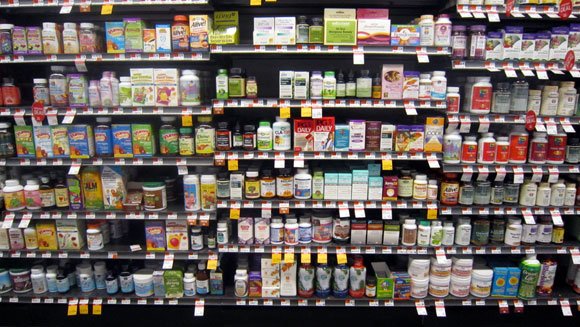
On the other hand, an overdose of calcium supplements, or other supplements such as vitamin D that increase calcium absorption in the body, can have serious side effects.
Generally, people should not be concerned about the toxicity of calcium or the effects of eating too many calcium-rich foods. Even if you ingest too much calcium your digestive tract will absorb most of it. The only side effects that may occur are constipation or bloating (which are extremely rare).
The acute symptoms of calcium overdose can cause nausea and vomiting, muscle weakness, diarrhea or constipation and drowsiness. Many people report that taking too much calcium can cause joint pain.
Excessive consumption of supplementary calcium leading to chronic high blood levels of calcium can increase the likelihood of kidney stones, kidney damage and failure, abnormal heart rhythms, calcification in areas of the body other than bone tissue, dementia and coma. Too much calcium can also interfere with iron absorption.
Ironically while many people ingest extra calcium supplements to improve their bone health, this can also block the uptake of manganese and that is actually bad for bone health.
Just another proof that natural is best, and one more reason to drink your calcium-rich green smoothies!
Hidden Dangers of Supplements
Questions? Comments? Suggestions?
If you have a favorite recipe, why not submit it here in the comment section of this smoothie recipes blog for others to enjoy too!
I also welcome any comments, questions and suggestions. Thanks!
Even if you are eating healthy diet, it’s important to know the calcium deficiency symptoms that may occur if the body is not absorbing enough calcium from the diet.
Calcium must be eaten daily and absorbed effectively in order to maintain optimal health. Most people can get enough calcium by eating a variety of foods rich in calcium. Healthy foods that naturally contain calcium green, leafy vegetables, nuts and seeds, sea vegetables, beans and whole grains. There are also many calcium-fortified foods available today, including orange juice, breakfast cereals, breads, and other. We can also take calcium supplements to help ensure we are meeting the recommended calcium requirements (which is anywhere from 1,000 mg. up to 1,500 mg. a day depending on age).
There some groups that require higher than usual intake of calcium. High dietary calcium intake is necessary for infants, children and adolescents for proper bone growth and formation. Pregnant women also have higher calcium needs for their developing babies. In addition, women who have reached menopause need to ensure an adequate amount of calcium intake to reduce the risk of osteoporosis. Calcium also helps to promote a regular heartbeat, helps our blood to clot properly, and helps to conduct nerve impulses correctly.
Women concerned about osteoporosis should be aware that supplemental calcium alone is not enough to solve the issue, if it’s related to heredity, lifestyle and diet, and is accelerated by hormonal changes at menopause. Another essential element is physical activity, especially weight-bearing aerobic exercise (walking, jogging or aerobics) and weight lifting, which should be part of everyone’s daily routine.
It’s also important to remember that because diet high in animal protein also cause bones to lose calcium, it’s recommended to limit or eliminate animal protein from your menu. For strong bodes (and better health) skip soda and caffeine, and quit smoking, all of which promote calcium loss in the urine.
4 Signs of Calcium Deficiency
If you have a calcium deficiency, you may experience any of the following signs:
Muscle cramping, usually occurring at night, especially in the legs.
Dry Skin and Brittle Nails. When your skin becomes dry and your fingernails become brittle (break easily), you could be lacking from calcium. If these symptoms are present, you may also want to check to see if your teeth are becoming yellow. The teeth and the bones can be severely affected from a lack of calcium.
More Severe PMS Symptoms. A woman may begin experience more intense cramping or increase in her menstrual flow.
Bone Fractures or Breakage. Since calcium is needed to build bones and to keep them strong, without sufficient supplies of calcium, our bones will become weak. As they weaken, fractures and breakage can occur. This is a severe symptom of calcium deficiency.
What to Do If You Suffer From Calcium Deficiency
If you are experiencing any of the above signs, you will need to evaluate how much calcium you are consuming each day. You may need to add more calcium enriched foods into your diet, and consider the possibility of adding a calcium supplement, as well. You can get adequate amounts from your diet if you eat a lot of cooked greens (collards have most), molasses, sesame seeds, broccoli, and tofu (be sure to read package labels to make sure calcium was used in its preparation), as well as calcium-fortified soy milk, and orange juice.
If your symptoms are severe, see your doctor, who may want to do some blood work or other tests.
Hidden Dangers of Supplements
Questions? Comments? Suggestions?
If you have a favorite recipe, why not submit it here in the comment section of this smoothie recipes blog for others to enjoy too!
I also welcome any comments, questions and suggestions. Thanks!
Plant based diet has been gaining popularity recently. There is no surprise there. In fact, it’s a type of eating that millions of people around the world have been following for centuries, and the science is finally catching up. Today, and there are many physicians in the U.S. that recommend this way of eating for optimal health, weight and well-being.
If you want more information from a licensed physician, I highly recommend that you read books by Dr. Joel Fuhrman. Books by T.C. Campbell, Dr. Esselstyn, Dr. Neal Barnard, and many others also promote this lifestyle.
In an interview on CNN where two prominent doctors, Dr. Ornish and Dr. Esselstyn, explained healthy way for Bill Clinton’s dramatic weight loss and improved health.
http://youtu.be/UoHt9cSWJVI
Unfortunately the video is not available right now. Also read an excerpt from an interview with Dr. Esselstyn, one of the world’s leaders in heart attack prevention that I published here. Think about what he had to say about how disease develops and how it can be prevented.
Questions? Comments? Suggestions?
If you have a favorite recipe, why not submit it here in the comment section of this smoothie recipes blog for others to enjoy too!
I also welcome any comments, questions and suggestions. Thanks!
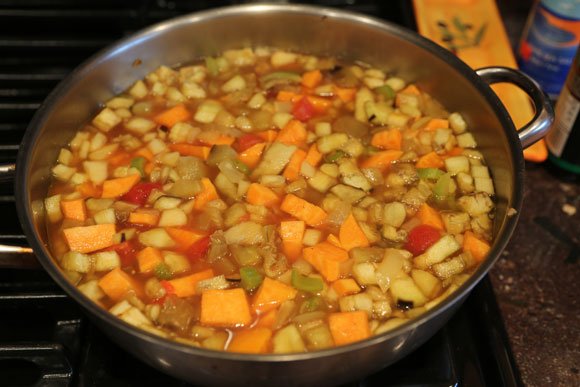
I love making big pot of thick soup a few times per week. They are rich, filling, and very satisfying; full of good-for-you ingredients, and are easy to make – just chopping, no advanced cooking skills required!
This is recipe for a sweet potato and lentil stew, with an eggplant twist.
I’ve been making a variation of this recipe for the past couple of weeks, and I don’t get bored of it. One reason is that I can never follow a soup recipe exactly as it’s written – I always, always experiment (just as with green smoothies), depending on the contents of my fridge.
This time it was eggplant. I don’t buy it often (as I don’t know many good recipes that use eggplant as ingredient and it often gets wasted), but this time I bought two locally grown eggplants at BJ’s (to support local farmers) and I decided to turn one into a soup.
Since none of the eggplant soup recipes sounded enticing, I thought, why not add it to a curried sweet potato-lentil combination. My son usually loves soups that have sweet potatoes (or any winter squash) in it, so I was hoping that he will eat it too.
2 tablespoons olive oil (or other cooking oil), optional
1 medium onion, diced
2 small tomatoes, diced
1 tablespoon curry powder
1 teaspoon minced fresh ginger
1 teaspoon cumin
1 teaspoon ground coriander
1/4 teaspoon ground cinnamon
sea salt to taste
2-3 medium sweet potatoes, peeled and cut into ¾” cubes
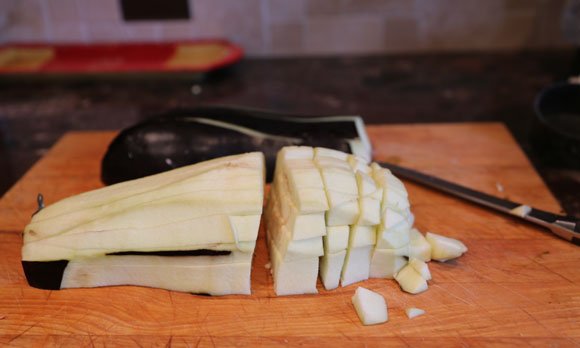
1 small eggplant, peeled and cut into ¾” cubes
1/2 package dry lentils, rinsed and picked through
7 cups water
1 cup finely chopped fresh cilantro leaves
Preparation:
Heat the oil over medium heat in a large, deep pot. Add the onion and cook, stirring frequently, for two minutes or until the onion starts to soften. For fat free cooking, skip the oil and add 2-3 tablespoons of water.
Stir in the curry, cumin, coriander, cinnamon, and a small pinch of salt. Stir in the tomatoes and ginger and cook for three minutes. Cook and stir for two minutes, then taste for seasonings; try to use only enough salt to heighten the flavors.
Add the chopped sweet potatoes, water, and lentils. Stir well, and bring to a boil over high heat. When the mixture comes to a boil, reduce the heat, cover, and simmer for 40 minutes or until the lentils and sweet potatoes are soft.
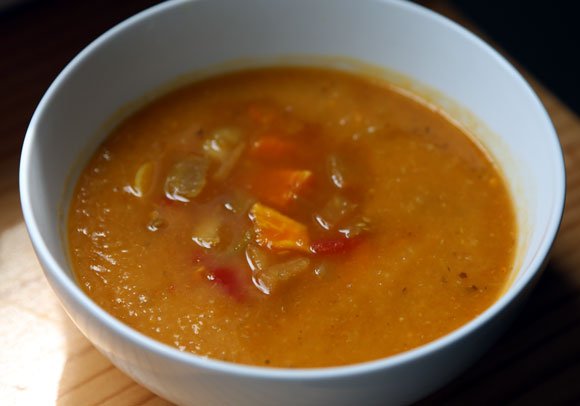
Blend in a blender to a smooth consistency, if desired. I usually only blend a few cups, leaving the rest of the soup chunky.
Served on its own or as a soupy stew over brown basmati rice or couscous, this dish is hearty and filling.
Pour into bowls and sprinkle with cilantro before serving. Bon appetit!
This soup gets even better on the second day, as the flavors develop.
Sweet Potato Eggplant Lentil Soup: Make a big pot to last a few days.
Sweet Potato Eggplant and Lentil Soup: Partially blended with Vitamix
For all my blending recipes I use Vitamix. If you don’t already own a VitaMix, I strongly encourage you to check out what this machine is capable of! For more information about VitaMix you can go directly to the VitaMix website. You may also want to read my post about the Best Blender.
I LOVE my VitaMix and highly recommend investing in one if you are ready to make serious changes to your diet. I have had mine for almost 5 years and use it daily!
If you decide to purchase Vitamix – be sure to use Promotional Code 06-004554 to get free shipping.
Questions? Comments? Suggestions?
If you have a favorite recipe, why not submit it here in the comment section of this smoothie recipes blog for others to enjoy too!
I also welcome any comments, questions and suggestions. Thanks!


 There is no hard and fast rule about egg substitute — you have to experiment to see what you like and what works for you. Sometimes one works great in one recipe, but not in another. It’s really a matter of experience, experimentation, and individual taste.